
Ray-Ban Meta smart glasses include a visible capture light meant to show when photos or videos are being taken. But recent reports say some modders are physically disabling that light, raising new privacy concerns around wearable cameras.
The issue matters because smart glasses can record from a person’s face, making the recording indicator one of the clearest signs that nearby people may be on camera.
Ray-Ban Meta glasses recording light under scrutiny
Ray-Ban Meta smart glasses include a front capture LED that activates when the camera is used, giving nearby people a visible sign that photos or videos may be recorded.
The system is tightly integrated into the device firmware, meaning if the LED is blocked or disabled, the glasses are designed to display warnings such as “The Capture LED is blocked, unblock to use the camera,” preventing recording from continuing under normal conditions.
This design has faced privacy scrutiny before. Ireland’s Data Protection Commission asked Meta to show that the small LED indicator was effective enough to alert people when they were being recorded.
Why does the LED exist on smart glasses?
The recording indicator on Ray Ban Meta glasses is positioned near the camera lens on the front frame and is intended to make recording activity obvious in public or private spaces where individuals may not expect to be filmed.
Unlike traditional smartphones, where recording is visually obvious, smart glasses present a unique challenge because users can record hands-free, making visible indicators a critical safeguard for consent-based recording awareness in real-world environments.
Meta and EssilorLuxottica use the capture LED as a visible recording indicator, while the glasses also show warnings if the light is blocked during camera use.
How users are bypassing the recording indicator
Despite built-in safeguards, modders have discovered multiple ways to disable or obscure the LED indicator, ranging from simple physical coverings to more advanced permanent modifications that attempt to prevent detection while still allowing recording functionality.
One common method involves placing matte tape or light-blocking stickers over the LED, which can be reversible and does not damage the device, but may still interfere with system checks depending on timing and placement technique used.
Some reports describe permanent hardware modifications that physically damage or remove the LED indicator while leaving the camera usable.
Little-known fact: In 2025, stickers specifically designed to cover the Ray-Ban Meta recording LED became commercially available, prompting Meta to develop software-based LED-blocking detection.
The drilling method and permanent modifications
The most serious workaround involves physically damaging or removing the capture LED so the glasses can record without showing a visible recording light.
Reports say some modders have offered this service for a fee, creating a “stealth mode” that is difficult for bystanders to notice.
These modifications can void the warranty, damage the device, and create serious privacy risks because they remove the clearest visual warning that recording is active..
Little-known fact: Ray-Ban Meta Gen 2, announced in 2025, offers 3K Ultra HD video capture and up to 8 hours of battery life on a single charge.
Firmware protections and system detection
Ray-Ban Meta glasses include firmware-level safeguards designed to detect when the recording LED is blocked, triggering warnings such as “Make sure that the capture LED is visible” and preventing recording from continuing under normal operating conditions.
These protections are intended to ensure compliance with privacy regulations and prevent unauthorized concealment of recording activity, reinforcing the idea that the LED is a mandatory component of the recording system rather than an optional feature.
Recent reports say some physical modifications can bypass these protections by altering the hardware itself, showing the limits of software-based privacy checks.
Why do people want to disable recording indicators
Supporters of LED disabling techniques argue that there are legitimate use cases for less visible recording, including filming in conflict zones, capturing evidence for legal proceedings, or recording situations where overt devices could create safety risks for the wearer.
Other use cases include content creation scenarios such as prank videos or experimental filming styles, where visible recording indicators may alter subject behavior and reduce the authenticity of captured interactions in public environments.
However, these motivations exist alongside clear ethical risks, since disabling recording indicators can make it significantly harder for individuals to know when they are being filmed, reducing transparency and informed consent in real-world interactions.
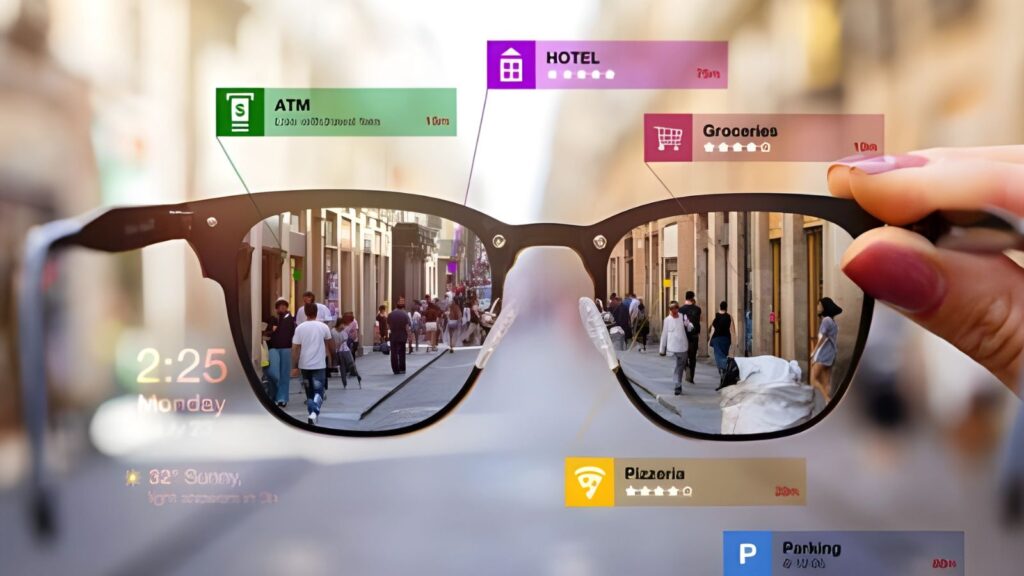
Privacy concerns surrounding Meta smart glasses
Meta’s smart glasses have also faced privacy concerns over AI data handling. Reports in 2025 said Meta AI with camera use became enabled by default unless users turn off “Hey Meta.”
Voice recordings from Meta AI interactions may be stored by default and used to improve Meta products, although users can delete recordings manually through settings.
Regulatory pressure and industry implications
Regulators have questioned whether small LEDs are sufficient to inform bystanders about recording activity, and manufacturers continue to refine indicator-light behavior.
The existence of workarounds highlights a growing challenge for regulators and manufacturers, where hardware-level privacy protections can potentially be bypassed through modification, undermining intended safeguards for public awareness and consent.
As smart glasses become more common, regulators may continue pressing companies to prove that recording indicators are clear, reliable, and difficult to bypass.
Impact on the smart home and wearable tech ecosystem
For smart home and consumer tech users, the issue reflects a broader trend where privacy indicators are becoming as important as camera resolution or AI features in determining whether a device is acceptable for everyday use.
Future smart glasses may need stronger privacy designs, such as tamper-resistant indicators or better hardware checks that make hidden recording harder to enable.
This development suggests that future smart glasses and always-on devices will need to balance advanced AI functionality with stronger, more tamper-resistant privacy indicators to maintain user confidence in shared environments.
TL;D
- Ray-Ban Meta glasses use a front LED indicator designed to visibly signal when recording is active, ensuring bystanders are aware of camera usage in real-world environments.
- Reports say some modders are physically disabling the capture LED, which can make recording harder for bystanders to detect.
- Firmware protections attempt to block recording when the LED is covered, but advanced hardware modifications may bypass these safeguards, raising enforcement challenges.
- The controversy highlights growing tension between privacy regulation and wearable tech innovation as smart glasses become more common in consumer and smart home ecosystems.
This article was made with AI assistance and human editing.
If you liked this, you might also like:
Trending Products

iRobot Roomba Plus 405 (G181) 2in1 ...

Tipdiy Robot Vacuum and Mop Combo,4...

iRobot Roomba 104 2in1 Vacuum &...

Tikom Robot Vacuum and Mop Cleaner ...

ILIFE Robot Vacuum

T2280+T2108

ILIFE V5s Pro Robot Vacuum and Mop ...

T2353111-T2126121

Lefant Robot Vacuum Cleaner M210, W...