
In an era where wearable technology is advancing rapidly, smart glasses with built-in cameras and microphones are becoming more common in everyday life.
These devices offer hands-free convenience and innovative features, but also raise serious privacy concerns. Nearby Glasses, a new Android app, addresses these concerns by alerting users when recording-capable smart glasses are nearby.
The app was developed by Yves Jeanrenaud, a hobbyist developer and sociologist, who describes it as a small act of resistance against surveillance technology.
Jeanrenaud was motivated by reports of misuse, including public harassment and unauthorized recordings, and designed the app to provide users with situational awareness and control over their privacy. Learn more about how this app works and how it is changing privacy awareness in public spaces.
How does the app detect smart glasses?
Nearby Glasses works by scanning Bluetooth Low Energy advertising traffic from nearby devices. It looks for company identifiers assigned to manufacturers in BLE advertising packets and checks those identifiers in real time.
When it detects a device associated with smart glasses from companies like Meta or Snap, it sends a notification to the user.
The app allows users to add custom Bluetooth identifiers to expand detection to a wider range of wearable devices. Users can enable a foreground service to keep the app running continuously and display a debug log of detected devices.
When smart glasses are detected, the app sends a notification indicating that a likely match is nearby. This system transforms a smartphone into a privacy-awareness tool, providing information about recording-capable devices that might otherwise go unnoticed in public spaces.
Why smart glasses raise privacy concerns
Modern smart glasses are often indistinguishable from ordinary eyewear, making it difficult to tell when someone nearby might be recording. These devices can quietly capture video or audio, with minimal indicators to alert those being recorded.
Reports have documented instances of smart glasses being worn in sensitive situations, such as immigration enforcement or harassment scenarios.
Privacy advocates argue that the devices create an environment where individuals can be recorded without their knowledge or consent, particularly in crowded or shared public spaces.
Jeanrenaud considers smart glasses to be a significant intrusion into personal privacy. Nearby Glasses is designed to give users at least partial control over the information about who may be recording them in real time.
Testing and limitations of the app
Nearby Glasses is not perfect and can produce false positives, such as alerting users when nearby virtual reality headsets are detected.
These instances occur because VR headsets often share similar Bluetooth identifiers with smart glasses. While these alerts can be confusing, VR devices are generally larger and more visible to the naked eye, making them easier to recognize.
During testing in an urban neighborhood, the app initially detected no smart glasses users. When a custom identifier for Apple devices was added, the app immediately began sending alerts, demonstrating that it functions as intended.
Jeanrenaud emphasizes that the app is informational and not a foolproof security measure, cautioning users against confronting others based solely on its alerts.
How does the app fit into privacy debates?
The rise of recording-enabled smart glasses has prompted discussions about privacy and consent in public spaces. Companies are increasingly integrating cameras, microphones, and AI-powered features into eyewear, blurring the lines between innovation and intrusion.
Little-known fact: Some organizations have begun restricting smart-glasses use in sensitive areas like medical zones and youth spaces due to privacy risks.
Nearby Glasses restores some transparency by informing users about potential surveillance in their immediate environment.
While critics argue that detection may not be fully accurate and could create misunderstandings, privacy advocates see the app as an important tool for maintaining awareness and encouraging responsible use of wearable technology.
Social response to the app
The app has drawn supportive comments in online discussions, including on Reddit, where some users have described it as a useful privacy-awareness tool.
Others acknowledge that it is unsettling that such tools are necessary, reflecting broader concerns about how technology can be misused in public settings.
The discussion reflects broader concern that privacy protection increasingly depends on understanding how discreet recording devices behave in public spaces.
Social response to the app
The app has received positive feedback from online communities, including Reddit, where users have praised it as a practical tool for raising awareness.
Some commenters said the app could help people stay aware of nearby recording-capable devices, while others said it was unsettling that such a tool feels necessary.
The discussion reflects broader concern that people may increasingly look for practical ways to stay aware of discreet recording devices in public spaces.
How to use nearby glasses
Getting started with Nearby Glasses is straightforward. Users can install it from Google Play, GitHub, or Apple’s App Store, then grant the Bluetooth or nearby-device permissions it needs, with some Android versions also requesting location access for BLE scanning.
On Android, enabling the app’s foreground service helps it keep scanning for nearby devices. Users can tap “Start Scanning” to begin detection, and the app can display a debug log of detected Bluetooth activity.
Notifications appear when the app identifies a nearby device that likely matches a recording-capable smart-glasses profile.
The app is designed as an awareness tool rather than a guarantee of safety. Users are advised to interpret alerts responsibly and remain aware of their surroundings when using the app.
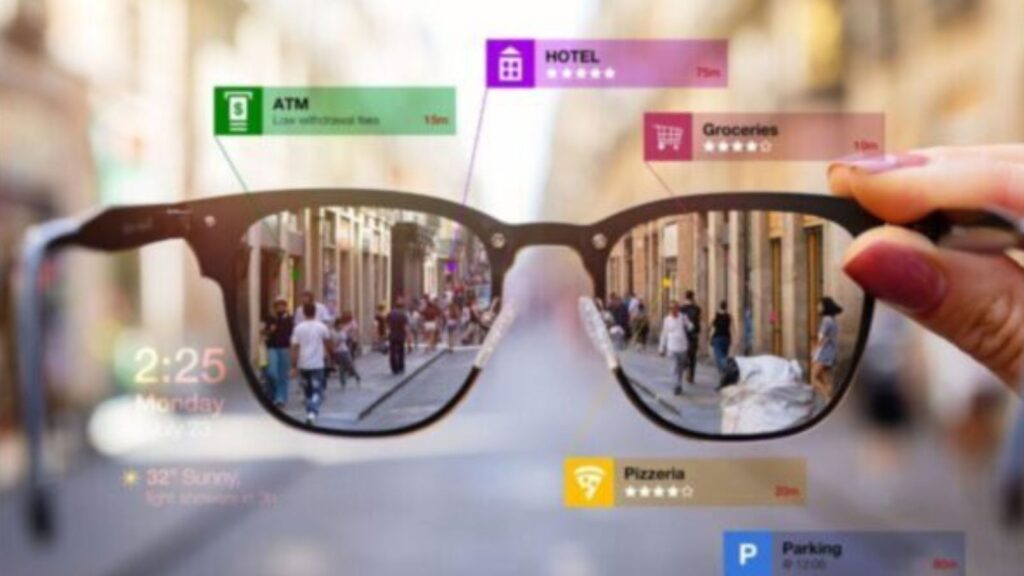
Future development and expansion
Nearby Glasses began as an Android app, and an iOS version is now available through Apple’s App Store, although the iOS release has more technical limitations than the Android version. Jeanrenaud continues to refine the app and expand its detection features.
The app’s development underscores the need for system-level privacy controls in wearable devices. While some manufacturers include visual or auditory indicators to signal recording, these measures may not be sufficient.
Tools like Nearby Glasses provide an additional layer of situational awareness that complements existing privacy safeguards.
Privacy awareness in the age of wearable technology
Nearby Glasses represents a broader trend toward empowering users in a digital world where recording devices are becoming increasingly discreet. By alerting users to nearby smart glasses, the app restores a degree of control over personal space in public areas.
The app also reflects increasing demand for accountability and transparency from wearable technology companies. As adoption grows, tools like Nearby Glasses may transition from optional apps to essential utilities, helping users proactively protect their privacy.
TL;DR
- Nearby Glasses is an app that alerts users when recording-capable smart glasses may be nearby.
- The app detects Bluetooth signals with manufacturer identifiers and sends notifications to the user.
- Users can add custom identifiers to detect a wider range of wearable devices.
- Smart glasses often look like regular eyewear, raising privacy concerns about public recording without consent.
- False positives may occur, especially with VR headsets, but alerts are generally informative.
- The app is now available on both Android and iPhone, although the iOS version has more technical limitations than the Android release.
- Nearby Glasses provides situational awareness, complements existing privacy measures, and reflects growing concerns over wearable surveillance.
- The app emphasizes responsible use and awareness rather than acting as a definitive privacy shield.
This article was made with AI assistance and human editing.
If you liked this, you might also like:
Trending Products

iRobot Roomba Plus 405 (G181) 2in1 ...

Tipdiy Robot Vacuum and Mop Combo,4...

iRobot Roomba 104 2in1 Vacuum &...

Tikom Robot Vacuum and Mop Cleaner ...

ILIFE Robot Vacuum

T2280+T2108

ILIFE V5s Pro Robot Vacuum and Mop ...

T2353111-T2126121

Lefant Robot Vacuum Cleaner M210, W...