When Disney channels vanished from YouTube TV during their recent carriage dispute, millions of subscribers woke up to an empty screen where ESPN, ABC, FX, National Geographic, and Disney Channel once lived.
Sports fans were furious. Parents scrambled for alternatives. And cord-cutters questioned whether the streaming landscape had finally become just as messy as cable.
Now, after days of negotiations, YouTube TV and Disney have officially struck a new multi-year deal, and the platforms didn’t just restore channels. YouTube TV added a rare sweetener: a $60 discount for new subscribers, knocking the first month down from $72.99 to a far more tempting $12.99.
It’s the kind of bold move you don’t typically see after a blackout. And it signals something bigger: streaming platforms are no longer just fighting for content. They’re fighting to rebuild trust.
What the deal means for subscribers
Disney’s network lineup is one of the most valuable bundles in modern TV. ESPN alone carries enough weight to swing entire subscription markets, and ABC remains one of the most trusted news and entertainment networks in the U.S.
Combined with FX’s prestige dramas and Disney Channel’s family-friendly lineup, the package is difficult for any competitor to replicate.
For existing YouTube TV customers, Disney’s return means life goes back to normal. Live sports resume. Network news returns. Hit shows, kids’ content, and local ABC stations are restored.
But it’s new subscribers who get the biggest benefit: a one-time $60 incentive that essentially erases the cost barrier for people who had been sitting on the fence.
Why YouTube TV offered such an aggressive discount
Price cuts of this size rarely appear during channel negotiations. Traditionally, once a carriage dispute ends, a platform simply posts an apology, restores service, and moves on. YouTube TV’s decision to offer a massive incentive suggests a deeper strategic aim.
Restoring goodwill
Blackouts are dangerous. They break routines, spark cancellations, and allow competing services to step in.
YouTube likely understood that even though they restored channels quickly, some customers were shaken. A generous offer helps shift the narrative from “channels disappeared” to “YouTube TV is doing right by users.”
Undercutting competitors
The streaming TV market is no longer a two-horse race. Hulu + Live TV, Fubo, Sling, DirecTV Stream, and niche providers like Vidgo are all fighting for the same cord-cutters.
YouTube TV’s promotional offers, such as $69.99/month for the first six months or a 21-day free trial, lower the barrier for new subscribers compared to Hulu + Live TV’s higher base price.
Demonstrating confidence in retention
YouTube TV clearly believes that once viewers enter the ecosystem with unlimited DVR, smooth apps, easy navigation, and reliable live streams, they’re unlikely to leave.
A steep discount only hurts if people churn. This offer implies that YouTube TV expects the opposite.
Why Disney needed this deal just as much
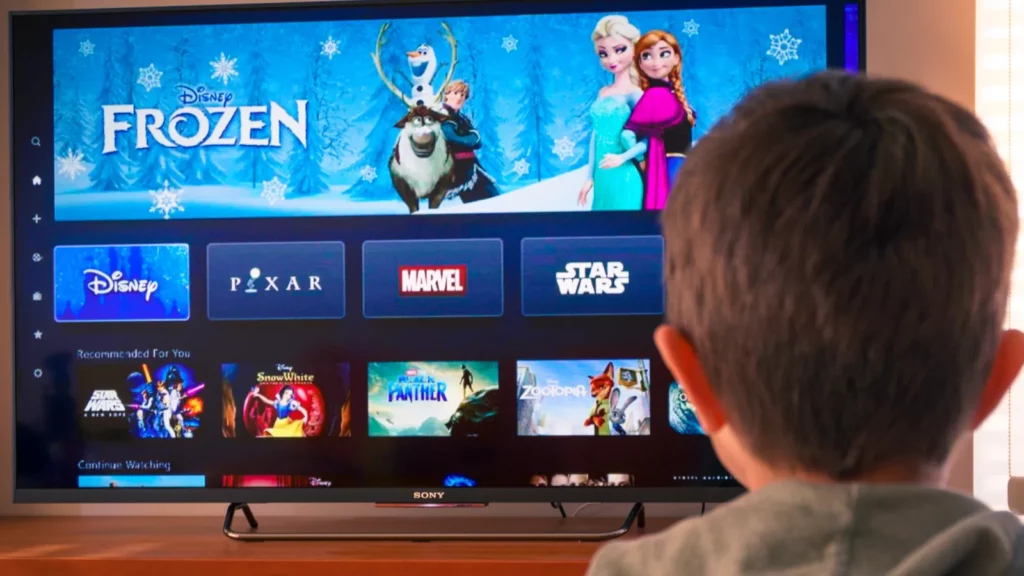
Disney’s own strategy has evolved. The company is pushing harder into direct-to-consumer streaming with Disney+, Hulu, and ESPN+, but linear TV still matters, especially for live sports.
ESPN is a revenue engine, and losing millions of YouTube TV viewers, even temporarily, poses real financial risk.
Protecting the ESPN pipeline
The NFL, NBA, UFC, college football, and major events like the College Football Playoff still run overwhelmingly through ESPN. Any disruption in distribution affects advertisers, leagues, and fans.
Maintaining leverage in future negotiations
If Disney caves too easily, other distributors could push for similar concessions. If they push too hard, they risk blackouts that cost millions and frustrate subscribers. This deal shows Disney can negotiate firmly without jeopardizing reach.
Securing visibility across platforms
Disney wants its linear channels in as many households as possible, even as it prepares to launch a full direct-to-consumer ESPN service. Pulling back too aggressively would mean sacrificing influence at a crucial moment.
What does the deal signal about the future of live TV streaming
This blackout, like nearly all carriage disputes today, wasn’t just about fees. It reflects the fundamental tension reshaping the entertainment industry.
Streaming bundles are the new cable bundles
Cord-cutting was supposed to end complicated channel packaging, but the reality proved otherwise. If anything, live TV streaming has re-created the bundle only with more friction. Platforms must pay higher content costs, networks demand better rates, and consumers expect lower prices.
Platforms need marquee content to survive
Sports, local news, and live events drive subscriptions. Losing them instantly weakens a platform. YouTube TV securing Disney’s lineup strengthens its position as the most complete live TV package in streaming.
Consumers are becoming less patient
The blackout lasted only days, but the backlash was loud, fast, and direct. People are quicker than ever to switch services if content disappears.
This deal showed that both Disney and YouTube TV understood the stakes.
Why the $60 incentive is a clever long-term play
At first glance, the discount looks like a short-term marketing tactic. But its impact goes beyond a promotional push.
It turns frustration into opportunity
Instead of letting the blackout fuel negative headlines, YouTube TV reframed the story into a positive comeback. News cycles now focus on the deal and the discount, not the dispute.
It taps into holiday timing
Live TV subscriptions spike during major sports seasons and end-of-year holidays. People have more free time, more events to watch, and more shared moments in front of the TV. A low entry price amplifies that seasonal advantage.
It’s a reminder of YouTube TV’s scale
Offering a discount of this size is only possible because YouTube TV, backed by Google, has the scale to absorb short-term hits. That sends a subtle message: the platform is committed and confident in its long-term user base.
Why the agreement matters even to non-subscribers
Not everyone uses YouTube TV, but the implications of this deal reach across the entire industry.
It stabilizes sports viewership
When ESPN disappears from a platform, leagues, advertisers, and fans all feel the ripple effect. Restoring distribution helps maintain a consistent national reach.
It sets a new precedent for subscriber benefits
If other platforms face blackouts in the future, users may expect compensation, credits, or discounts. What YouTube TV just did won’t be forgotten.
It reinforces the value of competition
Cord-cutters have more choices than ever. Each time a major platform offers an aggressive incentive, the entire market shifts toward being more user-friendly.
What subscribers should expect next
Although the channels are back and the discount is live, the broader landscape is still evolving.
Rising content costs
Both Disney and YouTube TV face increasing pressures from sports rights, production budgets, and licensing agreements. Long term, this may influence subscription prices.
More bundled offerings
We’re entering an era of hybrid bundles: live TV paired with on-demand services like Disney+, Hulu, Max, or Netflix. Expect more deals where platforms team up instead of going head-to-head.
Greater emphasis on reliability
Blackouts are now a reputational risk. Providers know that a single outage can trigger thousands of cancellations overnight. Reducing disruptions will be a key competitive advantage.
A rare win for viewers
Disney’s channels returning to YouTube TV was inevitable, but the $60 first-month incentive was not.
It transforms a routine carriage resolution into something much more interesting: a moment when a streaming platform chose not just to repair trust, but to reward subscribers in the process.
In a year filled with rising prices, service fragmentation, and streaming fatigue, this move stands out as a rare win for viewers. And while the long-term battle between content owners and distributors will continue, this deal proves that when companies feel the pressure, customers can still come out ahead.
Recommended Posts:
This article was made with AI assistance and human editing.
Trending Products

iRobot Roomba Plus 405 (G181) 2in1 ...

Tipdiy Robot Vacuum and Mop Combo,4...

iRobot Roomba 104 2in1 Vacuum &...

Tikom Robot Vacuum and Mop Cleaner ...

ILIFE Robot Vacuum

T2280+T2108

ILIFE V5s Pro Robot Vacuum and Mop ...

T2353111-T2126121

Lefant Robot Vacuum Cleaner M210, W...