
Water damage has quietly become one of the costliest threats to homeowners, often rivaling fire in both financial impact and disruption to daily life.
A burst pipe, a leaking dishwasher, or a pinhole in a supply line can quickly soak walls, flooring, and insulation before anyone notices.
Once water spreads, the expense isn’t limited to fixing a pipe; it often includes demolition, drying equipment, structural repairs, and sometimes even temporary relocation.
For many, the shock of an unexpectedly large repair bill has become a wake-up call, driving a surge in interest for leak detection systems.
If you want to understand how these devices can protect your home and your wallet, read on to discover everything you need to know about leak detectors and early water damage prevention.
The hidden costs of undetected leaks
Most people imagine a dramatic flood when they think of water damage, but the more common scenario is a slow, concealed leak. Plumbing specialists warn that undetected moisture can quietly warp wood, rust metal, and saturate insulation.
A small drip behind a washing machine or under a sink may go unnoticed for weeks or months, allowing water to compromise structural components and even promote mold growth.
Indoor air quality experts emphasize that persistent leaks in hidden areas can create conditions for toxic mold, which poses significant health risks, particularly for those with asthma or allergies.
Mold spores can embed themselves deep in porous materials, causing lingering odors, respiratory irritation, and costly remediation work. Catching a leak in its early stages isn’t just about protecting floors and drywall; it’s about safeguarding health.
Simple devices that make a big impact
The modern approach to leak detection has shifted dramatically. Homeowners no longer need to invest in a fully connected smart home to benefit.
Compact, standalone leak sensors are now available for under $20, designed to sit quietly under sinks, next to water heaters, or behind appliances. When they detect water, they emit an audible alarm, alerting residents immediately.
Even basic battery-powered units can save thousands. A dripping pipe that would have caused hundreds or even thousands of dollars in repairs might only result in a quick mop-up job if a sensor goes off in time.
Consumer guides note that these low-tech alarms require minimal maintenance, just an occasional battery check, but they provide peace of mind comparable to more expensive, high-tech solutions.
How smart technology extends protection
For those willing to add connectivity, smart leak detectors elevate protection by sending alerts directly to a smartphone.
This is particularly useful if a leak occurs while the homeowner is away. Smart systems can even integrate with automatic shutoff valves, stopping water flow before serious damage occurs.
In second homes or rental properties, this level of protection is invaluable, as it allows owners to respond instantly even when they are not on-site.
Advanced smart sensors can monitor areas that homeowners rarely check, such as behind toilets, in crawlspaces, or under mechanical equipment.
By placing sensors strategically, you can catch leaks before they escalate, preventing structural damage, mold growth, and even electrical hazards. The early-warning capability of smart detectors turns what could be an emergency into a manageable, minor inconvenience.
Insurance incentives that pay you back
Insurance companies have started recognizing the benefits of leak detection. Homes equipped with water sensors tend to file fewer and smaller claims, leading some carriers to offer discounts on premiums.
For example, certain programs provide a 40% discount on water-related coverage or bundle leak detectors with other smart home devices. National insurers are increasingly including leak sensors in connected home initiatives, rewarding homeowners who proactively protect their property.
The financial incentive is clear: the cost of a few sensors can be offset within the first year by insurance savings alone. As more data accumulates showing reduced claims in homes with detectors, more carriers are expected to follow suit, further normalizing the technology.
Limitations and how to get the most out of them
While leak detectors are highly effective, they are not a magic bullet. Current point sensors only monitor the immediate area where they sit, leaving potential blind spots along baseboards or under flooring.
Experts advise thoughtful placement to cover all high-risk areas, such as water heaters, washing machines, dishwashers, and bathrooms.
Maintenance is equally important. Batteries must be checked periodically, and devices should be tested to ensure functionality.
Homeowners who skip these steps may discover that their sensors failed precisely when they were needed most. Proper installation and ongoing attention make all the difference in achieving reliable early warning.
How to choose and place detectors that fit your home
Homeowners today face a range of options. Basic standalone alarms provide a simple, affordable first layer of protection, while smart sensors offer remote monitoring, app alerts, and integration with shutoff systems. The right choice depends on lifestyle, the value of the property, and comfort with technology.
For most, a hybrid approach works best: simple, loud alarms for common trouble spots combined with a few smart sensors in areas that are hard to check daily.
Tools now exist that organize product options, compare features, and surface user reviews, helping homeowners find devices that fit both their budget and coverage needs.
Why leak detectors are becoming essential
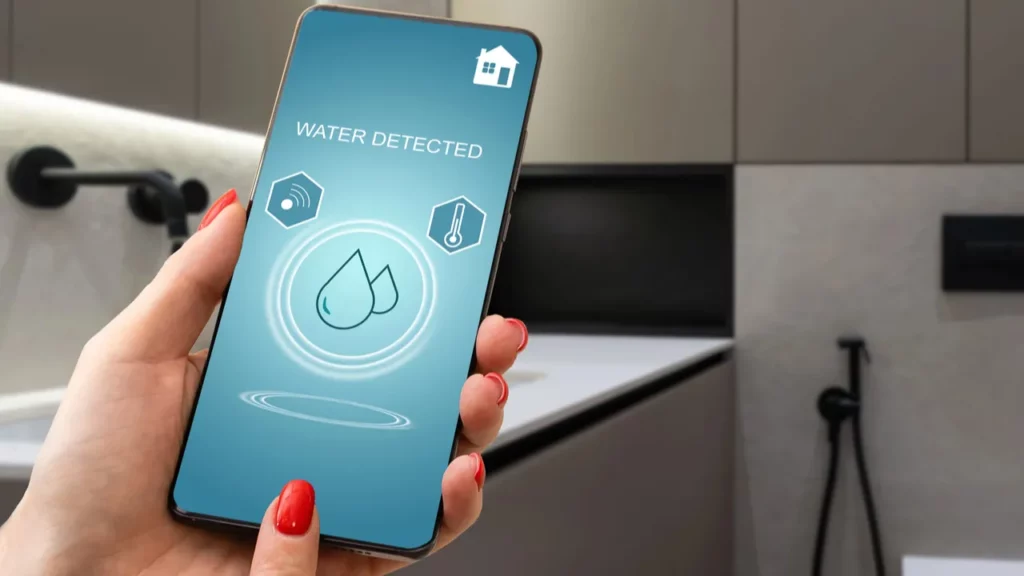
As repair bills and insurance incentives make the case for proactive protection, leak detectors are becoming more common in households. Much like smoke alarms became a standard safety feature decades ago, water monitoring devices are moving from optional gadgets to essential home equipment.
Manufacturers are innovating to address existing limitations. New designs, such as thin, tape-like sensors that can monitor longer stretches of pipe or baseboard, promise broader coverage without increasing complexity.
As adoption rises and technology improves, the modest investment in leak detection today is likely to be seen as a standard, responsible part of homeownership in the near future.
Protecting comfort, health, and your home
Finally, it’s not just about avoiding large bills. Quick detection preserves comfort and living conditions. A leak that goes unnoticed can cause dampness, peeling paint, warped flooring, and lingering odors.
For families, early detection prevents disruption to daily life and protects vulnerable members from respiratory irritants. By investing in sensors, homeowners gain both financial and personal peace of mind.
Making leak detection part of everyday home safety
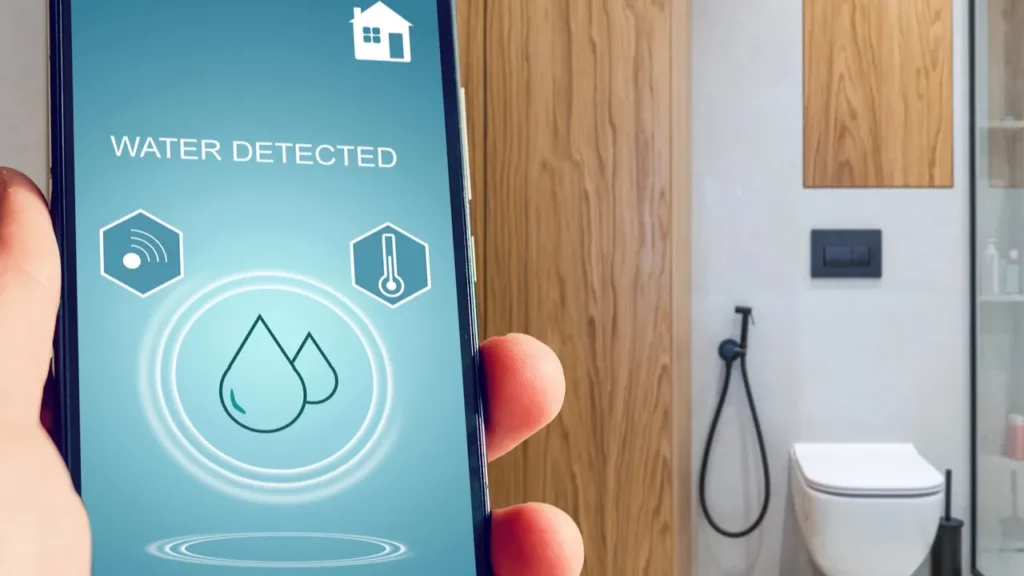
The rising adoption of leak detectors reflects a broader shift in how homeowners approach risk. Expensive repair bills, insurance data, and real-world stories of hidden water damage are proving that small, inexpensive devices can have a massive impact.
Whether through simple standalone alarms or connected smart systems, leak detectors allow homeowners to detect problems early, reduce costly repairs, and maintain healthier living conditions.
Adding a few sensors is less about chasing technology trends and more about practical foresight.
Just as smoke alarms save lives and prevent disasters, water leak detectors save homes and the expenses and stress that come with major repairs. For those who have witnessed a sudden flood of repair costs, installing leak detectors isn’t a luxury; it’s common sense.
Recommended:
This article was made with AI assistance and human editing.
Trending Products

iRobot Roomba Plus 405 (G181) 2in1 ...

Tipdiy Robot Vacuum and Mop Combo,4...

iRobot Roomba 104 2in1 Vacuum &...

Tikom Robot Vacuum and Mop Cleaner ...

ILIFE Robot Vacuum

T2280+T2108

ILIFE V5s Pro Robot Vacuum and Mop ...

T2353111-T2126121

Lefant Robot Vacuum Cleaner M210, W...