Why Ikea’s 21 new smart devices are making Apple and Google take notice – Automated Home
11
For decades, IKEA has shaped how we live at home, from minimalist furniture to clever storage ideas that make small spaces feel limitless.
But lately, the Swedish giant has been quietly building something far more ambitious: a home that doesn’t just look smart, but thinks smart. That vision just took a massive leap forward.
This fall, Ikea announced 21 new Matter-over-Thread devices, signaling its most serious step yet into the connected-home race and catching the attention of tech heavyweights like Apple, Google, and Amazon.
Matter is the universal language for smart homes, and by embracing it fully, Ikea is now positioning itself as the affordable bridge between mainstream furniture and advanced smart-home ecosystems.
In other words: your next Ikea lamp might talk directly to your HomePod.
But what exactly makes Ikea’s new lineup so different, and why are Apple and Google suddenly watching so closely?
Let’s dive deeper into how these 21 devices could reshape the future of connected living.
The long road to Matter
IKEA’s smart home journey started modestly. It dabbled in connected bulbs and budget speakers that blended into bookshelves, but the experience was fragmented.
Its first smart hub, Dirigera, launched in 2022, promising Matter support, a feature that didn’t arrive until early 2024 after multiple delays.
When Matter compatibility finally rolled out, Ikea didn’t just patch in support. It rebuilt its ecosystem from the ground up. The Dirigera hub became both a Matter controller and bridge, meaning it could now manage Ikea’s older Zigbee devices while adding new Matter-ready products from other brands.
That single move transformed Ikea from a closed system into a cross-platform connector, and Apple took notice.
Because Matter works natively with Apple Home, Ikea’s new lineup can now slot directly into HomeKit setups, no third-party bridges required. A $5 bulb from Ikea can now appear right beside a $50 Nanoleaf or $200 Eve Energy plug in the Apple Home app, and they’ll all work seamlessly together.
For Apple, that’s a win. For Ikea, it’s a revolution.
A collection built around real homes
Source: ifeelstock/Depositphotos
The new Matter-over-Thread collection spans three categories: lighting, sensors, and controls. Instead of targeting enthusiasts or high-end automation geeks, Ikea focused on everyday people who want smarter homes without a learning curve or a massive price tag.
David Granath, Ikea’s Range Manager, summed it up perfectly:
“Until now, smart home technology hasn’t been easy enough for most people or affordable enough for many to consider. This launch brings us closer to helping everyone feel ready and confident to get started.”
The centerpiece is the Kajplats bulb lineup 11 new models covering everything from compact E14 bulbs to large decorative globes.
Every bulb supports either a tunable white spectrum or full color, and they all communicate over Thread, ensuring faster response times and better reliability than traditional Wi-Fi bulbs.
Even more impressive, IKEA didn’t abandon existing customers. Despite moving away from Zigbee, the new Kajplats bulbs still work with older Ikea remotes and accessories, so users don’t have to replace their entire setup.
That balance between forward-thinking innovation and backward compatibility is a big reason tech companies including Apple are paying close attention. Ikea isn’t chasing flashy features; it’s building sustainable, practical ecosystems.
Controls designed for simplicity
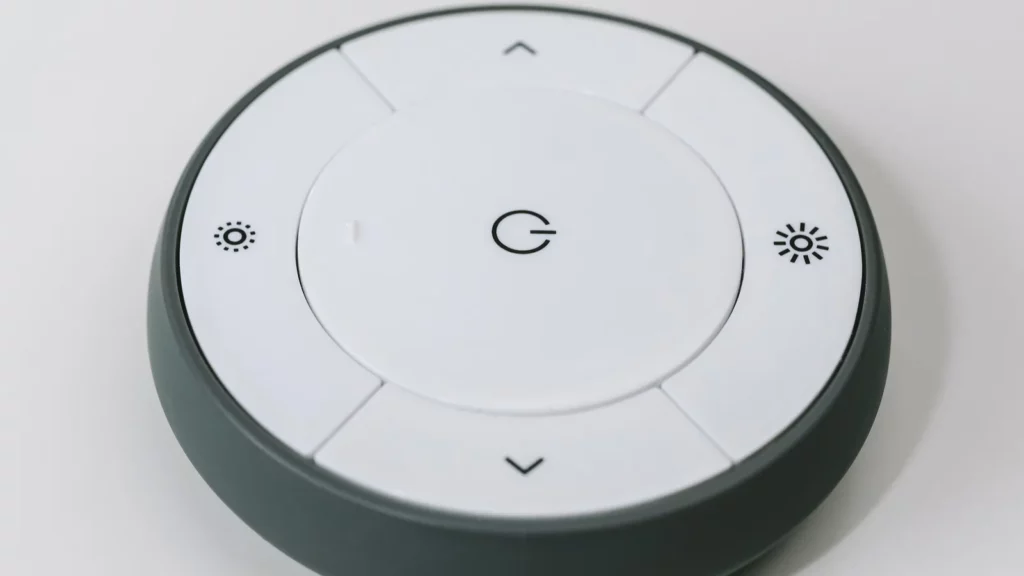
At the heart of every smart home is control and Ikea’s new Bilresa remotes redefine what that looks like.
There are two versions: one with dual buttons, and another with a scroll wheel. Both can handle lighting, brightness, and color control, but the scroll-wheel model goes further.
It can switch between multiple device groups with a simple press, letting you dim your living-room lights one moment and adjust your HomePod volume the next.
They’re small, tactile, and colorful available individually or in red, green, and beige three-packs so you can assign colors to different zones or devices.
What makes them special isn’t complexity it’s universality. Because they run on Matter, these remotes can talk to any Matter-enabled product, whether it’s a Philips Hue bulb, a Nanoleaf panel, or even Apple’s own devices.
That interoperability is the holy grail of the modern smart home and exactly what Apple, Google, and the Connectivity Standards Alliance have been pushing for with Matter.
Smarter sensors for safer homes
Source: Afotoeu/Depositphotos
The new lineup also introduces five sensors that quietly make homes safer and more efficient:
Myggspray: A motion sensor for indoor or outdoor use, perfect for triggering lights in hallways, garages, or staircases.
Myggbett: A door and window sensor that can notify you or turn lights on when opened, ideal for closets or security setups.
Klippbok: A compact water-leak sensor that fits under appliances and sounds an alarm (and sends alerts) if a leak is detected.
Timmerflotte: A temperature and humidity sensor with a pixelated LED display that cycles between readings at the press of a button.
Alpstuga: Ikea’s first air quality sensor, disguised as a minimalist desk clock. It measures CO₂, PM2.5 particles, temperature, and humidity, and integrates with Ikea’s air purifiers to automatically improve indoor air.
Together, these sensors transform Ikea’s smart home from a lighting system into a well-being ecosystem. They monitor air, water, and motion things that make a tangible difference in everyday comfort.
Want a deeper look at IKEA’s 21 smart gadgets launch? Checkout this in-depth video:
A plug with purpose
Completing the trio is the Grillplats smart plug, which turns any ordinary lamp or small appliance into a connected device.
It doesn’t just let you toggle power remotely; it also tracks energy usage, helping you identify where electricity is wasted.
In the age of rising energy costs and sustainability concerns, that’s a subtle but powerful addition. And because it speaks Matter, you can monitor it directly from Apple Home, Google Home, or any Matter-compatible app no Ikea login required.
Designed to work with everything: not replace it
Unlike many tech-first brands, Ikea isn’t trying to build its own closed ecosystem.
It’s doing the opposite. By using Matter-over-Thread, the company ensures every product can integrate with existing smart homes whether they’re built around Apple Home, Google Home, or Alexa.
That means the Dirigera hub is optional. You can add Ikea devices directly into Apple Home if you prefer a minimal setup, or use Dirigera to bridge older Zigbee accessories and manage everything in the Ikea Home Smart app.
This open approach stands in contrast to competitors like Amazon, who often keep certain features behind brand walls. Ikea’s goal is simpler: make smart living accessible, compatible, and cheap enough that anyone can start building a connected home.
Affordable, not aspirational
Pricing underscores that philosophy. In the UK, bulbs will range from £4 to £9 ($5–$11), sensors around £5–£7, and the premium Alpstuga air sensor just £25 ($31).
Even the remotes, arguably the most advanced products in the bunch, start at £3.
This affordability undercuts nearly every other brand in the Matter ecosystem, from Nanoleaf to Eve Systems. For Apple users, that’s game-changing. You can now fill an entire room with HomeKit-compatible smart lights and sensors for less than the cost of a single Philips Hue starter kit.
It’s the kind of move that could democratize the smart home in the same way Ikea democratized furniture design.
Why Apple is paying attention
Apple has long focused on elegant, privacy-centric smart homes, but its ecosystem has struggled with affordability and accessibility.
Many HomeKit devices remain premium-priced and limited in variety. IKEA’s entry changes that dynamic.
By offering low-cost Matter devices that just work with Apple Home, Ikea gives Cupertino what it’s always wanted: a simple, seamless smart-home experience that anyone can build. No expensive hubs, no compatibility headaches, just clean integration.
It also reinforces Apple’s broader Matter strategy, showing that the standard is finally delivering on its promise of true cross-brand harmony.
For Apple, Ikea’s move validates the entire framework. For consumers, it lowers the barrier to entry. For the smart-home industry, it’s a wake-up call: the future of connected living won’t be led by exclusivity, it will be led by accessibility.
The bigger picture
IKEA’s 21-device lineup isn’t just another product launch. It’s a statement of intent.
By marrying Matter’s open standards with its own design and price sensibility, Ikea is quietly positioning itself as the gateway to the mass-market smart home. It’s not chasing luxury, it’s building ubiquity.
And if history is any guide, that’s exactly the kind of disruption Apple tends to admire and eventually emulate.
So while the world debates which brand “owns” the smart home, Ikea may have already built the version that truly belongs to everyone.
Recommended Post:
This article was made with AI assistance and human editing.
Trending Products
- 40%
$665.00Original price was: $665.00.$398.99Current price is: $398.99.