IKEA’s latest smart home rollout looks simple on the surface. New bulbs, sensors, remotes, and plugs. Matter compatibility. Thread networking. Lower prices. Fewer ecosystem headaches.
But beneath that clean, consumer-friendly story sits a much more interesting detail, one that most casual buyers will never notice, yet power users are already quietly celebrating.
Some of IKEA’s new Matter over Thread devices aren’t fully locked to Thread at all. Instead, they’re hiding a Zigbee escape hatch.
And that small design decision changes how these products fit into real-world smart homes far more than Matter branding ever could.
Keep reading to uncover why this quiet flexibility matters, who it benefits most, and what it reveals about where IKEA’s smart home strategy is really headed.
IKEA’s big shift to Matter over Thread
IKEA is in the middle of transitioning its entire smart home lineup away from Zigbee and toward Matter over Thread. This move aligns with where the industry is headed. Matter promises cross-platform compatibility, while Thread offers a modern, low-power mesh network that doesn’t rely on a single hub.
The new lineup covers 21 devices, including smart bulbs, motion sensors, door and window sensors, air quality monitors, water leak detectors, remotes, and smart plugs.
On paper, it’s exactly what most people want: affordable devices that work with Apple Home, Google Home, Amazon Alexa, and IKEA’s own Dirigera hub without locking you into one ecosystem.
But IKEA didn’t make a clean break from the past.
The Zigbee back door nobody expected
Early adopters began noticing something unusual while pairing IKEA’s new devices. Certain products, specifically bulbs and remotes, can still join Zigbee networks if you trigger the right pairing sequence.
This isn’t advertised. It’s not mentioned on the packaging. But it’s there.
The reason comes down to Touchlink, a Zigbee feature IKEA has used for years. Touchlink allows two devices, like a bulb and a remote, to pair directly without a hub. IKEA stores have relied on this for over a decade to demo lighting without complex setups.
That same functionality still exists in some of the new Matter-labeled devices.
Which devices still support Zigbee
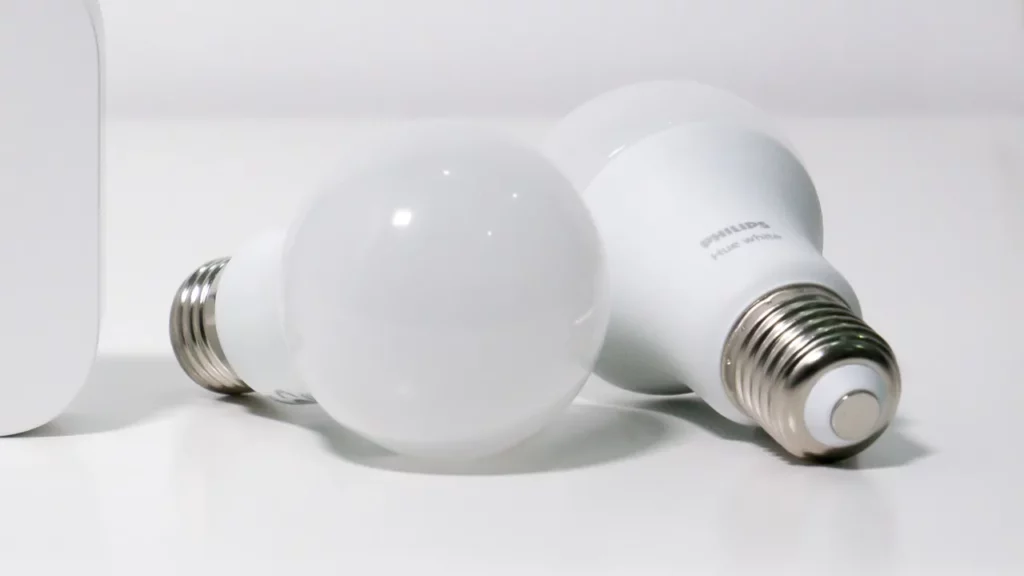
So far, two product lines stand out. The Kajplats smart bulbs, which replace the older TRÅDFRI bulbs, can join either Matter or Zigbee, depending on how you reset them.
Power cycling a bulb six times puts it into Matter pairing mode. Power cycling it twelve times switches it into Zigbee pairing mode.
Similarly, the Bilresa remotes support multiple pairing behaviors. Pressing the reset button four times pairs over Touchlink. Pressing it eight times forces standard Zigbee pairing.
Once paired, these devices work perfectly with Home Assistant using Zigbee Home Automation or Zigbee2MQTT. Users have already confirmed stable operation, and official support proposals are underway for future updates.
This means that despite being sold as Matter over Thread products, some IKEA devices still offer full Zigbee flexibility for those who know where to look.
Why this matters more than it sounds
At first glance, this might feel like a temporary quirk or an oversight. In reality, it reveals something important about IKEA’s strategy.
IKEA understands that many smart homes already have stable Zigbee networks. Asking users to rebuild everything just to adopt Matter would create friction. So instead of forcing a hard transition, IKEA quietly left compatibility options open where it made sense. For Home Assistant users, this is huge.
You don’t need to add a Thread radio just to use IKEA’s newest bulbs or remotes. You can keep your existing Zigbee coordinator, your automations, and your dashboards exactly as they are. Matter becomes an option, not a requirement.
Not everything gets the Zigbee treatment
Unfortunately, this flexibility doesn’t extend to the entire lineup. IKEA’s new sensors appear to be Thread-only.
That includes the MYGGSPRAY motion sensor, the MYGGBETT door and window sensor, the TIMERFLOTTE temperature and humidity sensor, the ALPSTUGA air quality sensor, and the KLIPPBOK water leak sensor.
These devices function as simple data reporters, sending information back to a hub. IKEA seems to have rebuilt them entirely around Matter over Thread, with no Zigbee fallback.
If you want to use these sensors outside the IKEA ecosystem, you’ll need Thread support either through the Dirigera hub or a compatible Thread radio for platforms like Home Assistant.
Should Zigbee users be worried
Not really. Zigbee isn’t going anywhere. Zigbee 4.0, announced in late 2025, adds Bluetooth coexistence and extended range.
Manufacturers like Sonoff and Aqara continue to release high-quality Zigbee devices, and existing IKEA Zigbee products are still widely available, often at discounted prices as stores clear inventory.
In fact, many of IKEA’s older Zigbee sensors were already close to perfect. A door sensor either works or it doesn’t. A leak detector either alerts you in time or it doesn’t. Switching protocols doesn’t magically improve those fundamentals. Thread is the future, but Zigbee remains very much the present.
No IKEA hub, still no problem
IKEA’s smart home products have always appealed to Home Assistant users for one reason: freedom. You don’t need an IKEA hub to use them.
With a compatible radio like the ZBT-2, Home Assistant users can pair Zigbee or Thread devices directly. The only limitation is that a single radio can only run one protocol at a time. If you want both Zigbee and Thread, you’ll need two radios.
That might sound inconvenient, but there’s a silver lining. Buying Home Assistant-supported hardware directly supports the platform’s development. You’re not just expanding your smart home, you’re helping fund the ecosystem that makes all this flexibility possible.
The smart plug that reveals a bigger story
One device worth watching closely is the GRILLPLATS smart plug. While availability is still limited, expectations are high.
Smart plugs aren’t exciting until they start tracking energy usage. Once they do, they expose hidden costs most homeowners never notice. An old fridge is quietly burning electricity. A space heater running longer than you realized. A dehumidifier that costs more to operate than replacing it outright.
If GRILLPLATS delivers reliable energy monitoring at IKEA pricing, it may end up being one of the most impactful devices in the lineup, not because it’s flashy, but because it turns invisible waste into actionable data.
Matter may be the headline, but flexibility is the win
IKEA’s move to Matter over Thread is important. It lowers the barrier to entry for smart homes and removes ecosystem lock-in. But the real story isn’t Matter itself. It’s a choice.
By quietly allowing certain devices to operate over Zigbee, IKEA gives users control over how and when they transition. Beginners can stick with Matter and never think about protocols. Enthusiasts can integrate devices into advanced setups without reworking their entire infrastructure. That balance is rare.
What IKEA’s approach really changes
IKEA isn’t just updating products, it’s updating expectations. Smart homes no longer require brand loyalty, technical expertise, or large upfront investments. You can start small, mix ecosystems, and evolve over time without throwing hardware away.
That’s what makes this rollout significant. Not the specs. Not the standards. But the fact that IKEA designed its devices to meet people where they already are.
And sometimes, the smartest feature is the one they didn’t put on the box.
Recommended Posts:
This article was made with AI assistance and human editing.
Trending Products

iRobot Roomba Plus 405 (G181) 2in1 ...

Tipdiy Robot Vacuum and Mop Combo,4...

iRobot Roomba 104 2in1 Vacuum &...

Tikom Robot Vacuum and Mop Cleaner ...

ILIFE Robot Vacuum

T2280+T2108

ILIFE V5s Pro Robot Vacuum and Mop ...

T2353111-T2126121

Lefant Robot Vacuum Cleaner M210, W...