
Samsung has officially confirmed it is stepping into the AI smart glasses arena in 2026, signaling a new chapter in wearable technology. This announcement follows the company’s earlier experiments with immersive devices, most notably the Galaxy XR headset, which debuted last year.
While the Galaxy XR showcased Samsung’s ambitions in mixed reality, its bulky design made it impractical for everyday wear outside the home or office.
The new smart glasses are expected to be more streamlined and wearable in public, addressing one of the major criticisms of early prototypes.
During Samsung’s Q4 2025 earnings call, Seong Cho, Executive Vice President of Mobile Experiences, shared key insights about the upcoming product.
According to Cho, Samsung is aiming to deliver multimodal AI experiences, blending visual intelligence with smart assistants, contextual information, and interactive features that adapt to the user’s environment.
In other words, these aren’t just glasses; they are intended to function as AI-powered companions capable of enhancing both work and leisure activities in a seamless, natural way.
This confirmation comes after months of speculation. Rumors about Samsung’s entry into the smart glasses market have been circulating since 2025, fueled by patent filings and insider leaks.
More recent reports suggest that Samsung could release two separate models: one featuring a built-in high-resolution camera and intelligent lenses capable of augmented reality overlays, and another designed for lighter, everyday wear.
The high-res model could potentially rival offerings from Apple, Meta, and Google, combining cutting-edge optics with AI-driven functionality.
Read more to see how Samsung’s AI smart glasses could redefine the way you see and interact with the world.
What we know so far
Although many details remain under wraps, industry insiders have outlined several expected features. The high-res lens model is said to include:
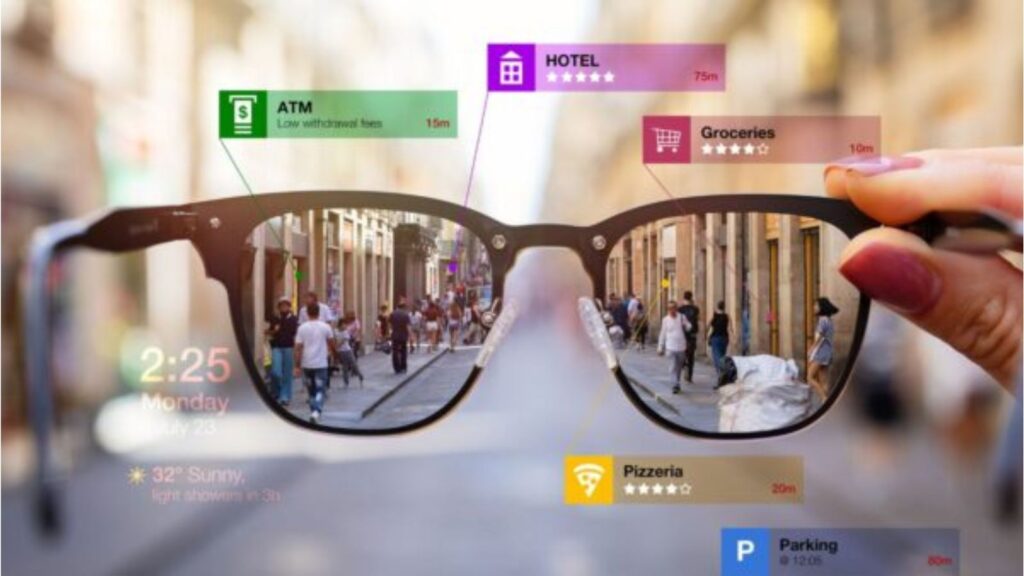
- Advanced AI integration for contextual notifications, object recognition, and real-time translation.
- Smart lenses capable of adjusting focus and filtering light dynamically, potentially reducing eye strain.
- Compact form factor designed for public use, addressing a major limitation of earlier mixed reality headsets.
- Camera and visual capture capabilities, likely allowing users to record high-definition video or interact with AR content without needing a smartphone.
Samsung’s focus on practicality and public usability sets it apart from some competitors. While Apple’s Vision Pro and Meta’s Ray-Ban smart glasses have made waves for their technological prowess, they often lean heavily on stationary or controlled use cases.
Samsung’s approach appears to prioritize everyday functionality, blending advanced optics with a design that can fit into a normal day-to-day routine.
Samsung’s competition
Entering the smart glasses market will not be easy. Meta, with its Ray-Ban smart glasses, currently dominates this niche by combining style, affordability, and basic AR features.
Google is reportedly exploring its own wearable solutions, which could complicate Samsung’s plans given the companies’ previous collaborations on Android XR. Meanwhile, Apple is rumored to be developing AR glasses of its own, further intensifying the competition.
Even so, Samsung has a few advantages. Its experience with high-quality displays, cameras, and AI integration gives it a technological edge.
The company also has a deep ecosystem of devices, from smartphones to tablets and smartwatches, that can work in tandem with its new wearable.
This could allow for seamless cross-device experiences, where the smart glasses complement other Samsung products for notifications, media control, or real-time AI assistance.
Potential use cases
The possibilities for Samsung’s AI smart glasses extend far beyond novelty. Analysts predict several practical applications:
- Navigation and commuting: Glasses could display directions, traffic alerts, and public transit updates directly in your line of sight.
- Fitness and health tracking: Integration with Samsung Health may allow users to monitor heart rate, posture, and activity levels without glancing at a smartwatch.
- Productivity on the go: Multimodal AI could assist with emails, meetings, and reminders, offering real-time suggestions or voice-activated commands.
- Enhanced entertainment: From AR gaming to immersive video playback, smart lenses could overlay interactive visuals on real-world environments.
Samsung is attempting to define a new category of wearable AI that can blend into daily life while providing tangible benefits.
Design and accessibility
A key differentiator for Samsung’s upcoming product could be its design philosophy. Early mixed reality devices often faced criticism for being clunky or socially awkward, limiting adoption.
Samsung seems to be taking cues from consumer preferences, aiming for a slim, glasses-like form factor that people can comfortably wear outdoors or in professional settings.
Affordability could also be a factor. While pricing has not been confirmed, Samsung’s history suggests the company may offer tiered models to reach a broader audience, balancing high-end features with accessibility.
This could position Samsung as a serious competitor to Meta and Apple, particularly if it can combine advanced AI capabilities with a wearable design that does not scream tech prototype.
The future of AI smart wearables
Samsung’s announcement reflects a growing trend: AI is now central to wearables. Smarter processors and advanced sensors mean smart glasses can do more than augment reality. They can learn from it, offering personalized insights and interactive experiences.
Samsung’s move also suggests that AI wearables are shifting from experimental gadgets to practical tools for everyday life.
For consumers, this could mean the end of bulky headsets and the rise of smart glasses that feel natural and indispensable.
Imagine walking down the street and getting live translations, identifying landmarks, or receiving context-aware notifications without ever reaching for a phone.
Samsung appears poised to make that vision a reality, bringing high-resolution optics and AI smarts into a wearable format for the first time.
What’s next
While Samsung has not provided a concrete launch date, industry watchers speculate the glasses could debut alongside new foldable phones or at a standalone product event, given the significance of the announcement.
Either way, 2026 promises to be a defining year for smart glasses, with Samsung entering the fray at just the right moment.
If the company can deliver a product that balances style, functionality, and AI integration, it could not only compete with existing players but also expand the appeal of smart glasses to a wider audience.
The coming months will likely reveal more specifications, software capabilities, and potential partnerships, especially as Samsung positions its new wearable to complement its broader ecosystem.
Why Samsung’s entry is exciting
Samsung’s move into AI smart glasses promises more than just a new gadget. With high-resolution lenses and AI-powered features, these glasses could offer real-time translations, object recognition, and contextual notifications right in your line of sight.
The sleek, public-friendly design makes them wearable in everyday settings, while integration with Samsung’s ecosystem ensures seamless connectivity with phones, tablets, and smartwatches.
For users, this means a stylish, practical, and intelligent device that enhances productivity, entertainment, and daily life, potentially redefining what smart glasses can do.
Recommended Posts:
This article was made with AI assistance and human editing.
Trending Products

iRobot Roomba Plus 405 (G181) 2in1 ...

Tipdiy Robot Vacuum and Mop Combo,4...

iRobot Roomba 104 2in1 Vacuum &...

Tikom Robot Vacuum and Mop Cleaner ...

ILIFE Robot Vacuum

T2280+T2108

ILIFE V5s Pro Robot Vacuum and Mop ...

T2353111-T2126121

Lefant Robot Vacuum Cleaner M210, W...