
If your mornings start with a reluctant dash out from under the covers, you’re not alone. But that chill isn’t just about cold air, it could be your heating system quietly working overtime. Every extra degree you nudge the thermostat can sneak a few more dollars onto your energy bill without you noticing.
The good news? Staying warm doesn’t have to mean wasting energy. With a few smart adjustments, you can keep your home cozy, your bills steady, and your comfort exactly where it should be, all without turning your living room into a sauna.
Keep reading to learn how small changes in your routine and setup can make a big difference in warmth, comfort, and savings this winter.
The one effortless habit that saves energy every single day
If there’s one simple habit that pays off, it’s setting your thermostat back while you sleep or when no one’s home. The U.S. Department of Energy reports that lowering your thermostat by 7–10°F for just eight hours a day can save up to 10% per year on heating and cooling costs.
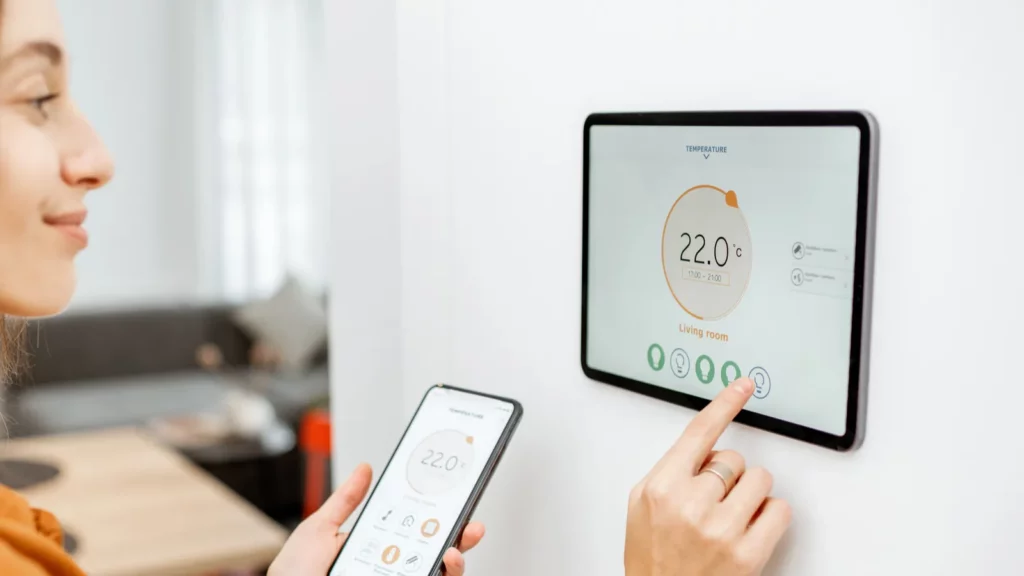
The key is consistency, and automation helps. Modern smart thermostats like Nest or Ecobee automatically learn your schedule and adjust the temperature even when you forget. It’s a “set it once, save all season” approach most homeowners overlook.
The winter comfort sweet spot: warm enough, never wasteful
So, what temperature should you actually aim for? Most professionals agree that 68°F (20°C) hits the sweet spot for daytime comfort. At this level, your home stays warm enough to move around comfortably, but your heating system doesn’t have to run full throttle.
When night falls, lowering the thermostat to around 63–65°F (17–18°C) not only saves energy but can also help you sleep better. Cooler air supports your body’s natural rest cycle.
And if you’re heading out for the day, dropping the temperature to about 60°F (15.5°C) keeps your home safe from frozen pipes while cutting unnecessary energy use. Small adjustments like these add up to real savings over time without sacrificing comfort.
Comfort meets health: the safe lower limit you shouldn’t cross
Energy savings are great, but your health always comes first. The World Health Organization advises that indoor temperatures should stay at no lower than 18°C (64°F) during cold weather to avoid potential health risks.
That’s particularly important for older adults, infants, and those with respiratory or heart conditions. A room that feels “just a bit chilly” to a healthy adult can feel dangerously cold to someone more vulnerable. Efficiency should never compromise safety. Keep at least one warm zone in your home for sensitive family members.
If you use a heat pump, your thermostat strategy must change
Not all heating systems work the same way, and heat pumps, in particular, need a slightly different approach to maintain efficiency. When you lower the thermostat too suddenly, the system may activate its backup electric resistance heating, which consumes much more energy and reduces overall savings.
To prevent this, make gradual temperature adjustments and avoid large sudden drops. Many newer smart thermostats automatically manage this process through built-in optimization modes, helping your home stay efficient, comfortable, and consistent even in colder climates.
Why cooler bedrooms actually help you sleep better
You might think warmth equals comfort at night, but research says otherwise. It’s recommended to keep your bedroom between 60–67°F (15–19°C) for optimal rest. Your body naturally cools as you fall asleep, and a slightly cooler environment helps that process. Too warm, and you’ll toss and turn. Too cold, and your muscles stay tense.
A pre-programmed thermostat schedule that cools an hour before bedtime and warms up before you wake keeps comfort and efficiency perfectly aligned.
Finding your personal “sweet spot” for warmth and savings
No two homes or bodies react the same to temperature changes. The easiest way to find your ideal range is by experimenting:
- Start with your usual thermostat setting.
- Lower it one degree each night until you notice discomfort.
- Raise it one degree back up.
That’s likely your personal efficiency point. Pair this with a smart thermostat’s geofencing feature, which automatically adjusts temperatures when everyone leaves and restores comfort before you walk in.
Before reading further, check out the short video “What thermostat settings will save you the most money? A Pepco official answers.” It’s a quick watch that explains how small thermostat changes can lead to big savings. Then come back here to learn how to apply those ideas in your own home.
Five small home habits that make a big heating difference
A thermostat alone can’t do all the heavy lifting. Combine small home improvements with smart settings for the biggest payoff:
- Reverse ceiling fans to push warm air down in winter.
- Seal drafts around windows and doors.
- Let sunlight in during the day and close curtains at night.
- Replace air filters monthly.
- Close vents in unused rooms to focus warmth where needed.
Each tweak takes minutes but can cut hours of furnace runtime.
The fine line between cozy and cost-cutting
It’s smart to chase lower energy bills, but there’s a line where savings can start costing your well-being. The World Health Organization’s Housing and Health Guidelines warn that prolonged exposure to indoor temperatures below 64°F (18°C) can increase cardiovascular strain and respiratory issues, especially among older adults, infants, and those with health conditions.
So, if your home feels damp, your fingers stay cold, or you start feeling sluggish, it’s time to nudge the heat back up. That doesn’t mean giving up on efficiency, just measuring it smarter. Modern thermostats and utility dashboards now show detailed energy-use reports, letting you confirm that small temperature adjustments are paying off.
Take it further: comfort upgrades that pay off long-term
Once you’ve optimized your thermostat routine, amplify the benefits with small but smart home upgrades. Add insulation in attics or crawl spaces, seal air leaks around doors and windows, or install zoning systems that let you heat rooms separately.
These improvements help your system maintain comfort with less effort and energy waste. Homeowners who combine these upgrades with thermostat automation often see dramatic energy reductions and more balanced temperatures.
In sunnier regions, pairing efficient heating with rooftop solar panels can make winter comfort nearly cost-free while shrinking your carbon footprint and dependence on grid power.
The real warmth comes from smart choices
Tomorrow morning, when you wake up cold, resist the urge to crank up the heat suddenly. Instead, aim for 68°F when awake, 63–65°F while asleep, and let your thermostat handle the timing. Keep health in mind, follow the proper guidelines, and support those settings with smart habits.
- Keep indoor temperatures above 64°F (18°C) to protect your health.
- Use smart thermostats to automate comfort and track energy use.
- Combine small upgrades, insulation, sealing, and zoning systems for bigger savings.
- Balance efficiency with well-being, not just lower bills.
- Smart heating habits today can mean a healthier, warmer, and more affordable home tomorrow.
With a little planning and a few degrees of discipline, you’ll stay comfortably warm, sleep better, and stop letting heat and money escape into thin air.
Recommended Posts:
This article was made with AI assistance and human editing.
Trending Products

iRobot Roomba Plus 405 (G181) 2in1 ...

Tipdiy Robot Vacuum and Mop Combo,4...

iRobot Roomba 104 2in1 Vacuum &...

Tikom Robot Vacuum and Mop Cleaner ...

ILIFE Robot Vacuum

T2280+T2108

ILIFE V5s Pro Robot Vacuum and Mop ...

T2353111-T2126121

Lefant Robot Vacuum Cleaner M210, W...