For years, Android TV felt like the safe middle ground of the smart TV world. If a manufacturer did not want to invest heavily in its own software platform, Android offered a ready-made solution with access to Google services, a familiar interface, and a massive app ecosystem.
Today, however, it increasingly looks like smart TVs are drifting away from the Android OS. Headlines about Amazon abandoning Android on Fire TV devices or manufacturers doubling down on their own platforms have fueled the idea that Android is slowly losing its grip on the living room.
The truth is more complicated. Smart TVs are not rejecting Android because it failed. They are evolving past it, reshaping how TV software works and what companies want from it.
Android is still very much present, but it is no longer the only answer, and in some cases it is no longer the most attractive one.
Read more to understand why smart TV brands are moving away from Android TV and what’s replacing it.
Why it looks like Android is being abandoned
The perception of an Android exodus gained momentum when Amazon announced that future Fire TV devices would shift away from Android based Fire OS to a proprietary Linux-based platform called Vega OS.
Since Fire TV is one of the most popular streaming platforms globally, the move sent a strong signal. If Amazon no longer needs Android, why would anyone else.
At the same time, many major TV brands never used Android at all. Samsung has relied on Tizen for over a decade. LG has refined webOS into one of the most recognizable smart TV interfaces.
Hisense continues to push VIDAA across many regions. As the total number of smart TVs on the market grows, the share belonging to these non Android platforms grows with it.
This makes Android’s presence feel smaller, even if it has not actually declined in absolute terms. The market did not move away from Android overnight. It diversified.
Android TV did not disappear. It changed its name
Another reason Android seems to be fading is branding. Google began rebranding Android TV as Google TV years ago, and most new devices now use that name instead.
Underneath the interface, Google TV still runs on Android TV OS. The difference is how content is presented and how users interact with it.
Android TV refers to devices that run the core OS without the Google TV interface. Google TV is the newer experience that emphasizes content discovery, personalized recommendations, and streaming aggregation rather than app grids.
Brands like Sony, TCL, and Hisense continue to release Google TV powered televisions. Google itself replaced the Chromecast line with the Google TV Streamer, reinforcing that this is now its primary living room platform.
So while Android TV branding may be less visible, Android has not actually left the TV space.
Control is the real battleground
The biggest reason manufacturers are moving away from the Android OS is control. Smart TV software is no longer just about launching apps. It is about advertising, data, subscriptions, and long term ecosystem ownership.
When a company uses Android or Google TV, it must comply with Google’s requirements. That includes certification processes, default services, update schedules, and integration with Google Assistant and the Play Store. For some companies, that tradeoff is no longer appealing.
Amazon’s move to Vega OS illustrates this clearly. Fire OS was already heavily customized, but it still depended on Android at its core.
By switching to a Linux based platform, Amazon gains full control over performance, security, app distribution, and monetization.
It can tightly integrate Alexa, Prime Video, Luna, and its advertising business without external constraints.
Samsung and LG made similar calculations years ago. By owning their platforms, they can decide what content appears on the home screen, how recommendations work, and how deeply the TV integrates with their wider product ecosystems.
Performance and efficiency also matter
Android TV and Google TV must run on a wide range of hardware. That flexibility is a strength, but it can also be a weakness. Many Android based TVs run on limited processors with minimal RAM, leading to sluggish interfaces and delayed updates.
Proprietary platforms can be optimized for specific hardware. Amazon claims Vega OS allows its new Fire TV Stick Select to launch apps remarkably fast, despite having only 1GB of RAM. That kind of efficiency is easier to achieve when software and hardware are designed together.
For manufacturers focused on cost sensitive models, shaving off performance overhead can make a noticeable difference in user experience.
What is actually replacing Android on smart TVs
There is no single replacement for Android OS. Instead, several categories of platforms are filling the space.
First are proprietary systems like Tizen, webOS, and VIDAA. These platforms have matured significantly. They offer broad app support, polished interfaces, and deep integration with brand specific features. They are no longer second tier alternatives.
Second are licensed platforms like Roku TV and Fire TV. Roku appeals to manufacturers who want simplicity and consistency without building their own OS. Fire TV appeals to brands targeting Amazon centric households, even as it transitions to Vega OS.
Third is Google TV itself. While some companies move away from Android, others continue to embrace it under its new identity. Google is positioning Google TV as an intelligent layer rather than a rigid ecosystem.
Google’s shift toward intelligence, not dominance
Rather than fighting to be the default platform everywhere, Google appears to be leaning into differentiation. Recent announcements show Google TV gaining AI driven features powered by Gemini.
These features go beyond voice search. Users will be able to ask their TV to adjust picture settings, improve dialogue clarity, or answer contextual questions about what is on screen. Google Photos integration turns TVs into ambient displays when idle.
By focusing on assistant like capabilities, Google is making its platform valuable even in a crowded ecosystem. Early rollouts on select TCL models suggest Google is testing this strategy before expanding it further.

Amazon’s Vega OS and the cost of freedom
While Vega OS gives Amazon more control, it also introduces tradeoffs for users. Fire OS allowed sideloading Android apps and even installing the Google Play Store with some effort. Vega OS will not.
Amazon can now block unauthorized third party apps, which helps fight piracy but also removes flexibility that many power users valued. For some buyers, that loss of openness may be a reason to look elsewhere.
This highlights a broader trend. As smart TV platforms become more controlled, they may also become more restrictive. The balance between freedom and polish is shifting.
What this means for consumers
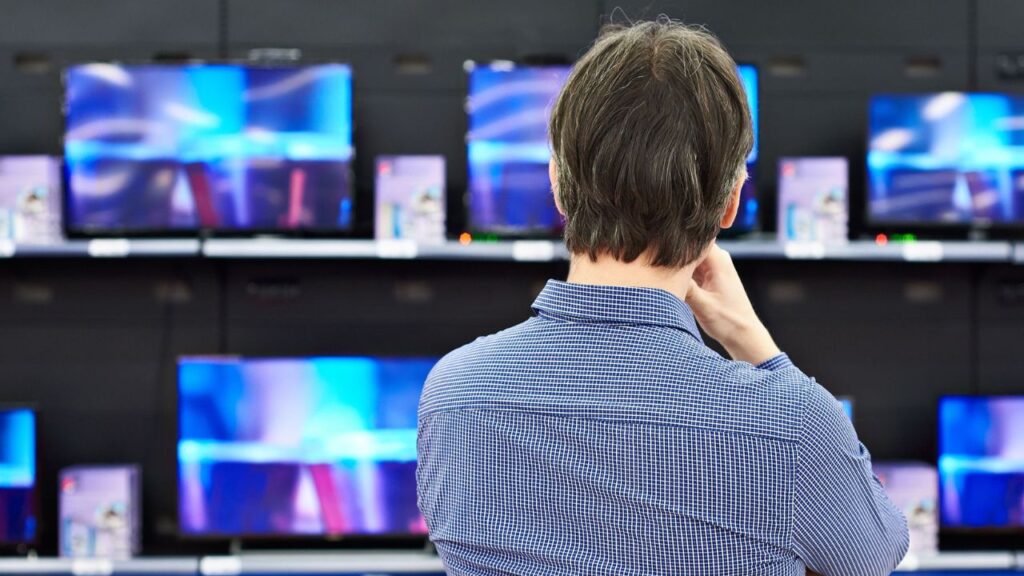
For most buyers, the platform shift will not dramatically change which apps are available. Netflix, YouTube, Prime Video, and Disney Plus exist everywhere.
The differences lie in how content is surfaced, how fast the interface feels, and how much the TV tries to push a specific ecosystem.
Google TV excels at cross service recommendations and search. Tizen and webOS feel faster and more appliance like. Roku prioritizes simplicity. Fire TV emphasizes Amazon services.
Choosing a smart TV today is less about Android versus non Android and more about experience preference and long term trust in the platform owner.
The bigger picture
Smart TVs are no longer passive screens. They are platforms competing for attention, data, and recurring revenue. Android OS once offered the easiest path into that world. Now, manufacturers have the confidence and resources to build or adopt systems that better serve their goals.
Android is not dying in the living room. It is simply no longer the default answer. In its place is a fragmented but mature ecosystem where control, performance, and intelligence matter more than uniformity.
What is really replacing Android OS is not a single operating system, but a shift in priorities. Smart TV software is becoming more intentional, more brand driven, and more tightly integrated with broader ecosystems. As that continues, Android will remain part of the story, just no longer the center of it.
Recommended Posts:
This article was made with AI assistance and human editing.
Trending Products

iRobot Roomba Plus 405 (G181) 2in1 ...

Tipdiy Robot Vacuum and Mop Combo,4...

iRobot Roomba 104 2in1 Vacuum &...

Tikom Robot Vacuum and Mop Cleaner ...

ILIFE Robot Vacuum

T2280+T2108

ILIFE V5s Pro Robot Vacuum and Mop ...

T2353111-T2126121

Lefant Robot Vacuum Cleaner M210, W...