
Home refrigerators haven’t changed much in decades. They keep food cold, make ice, and hum quietly in the background while groceries slowly disappear into the depths of crisper drawers and forgotten shelves.
The problem is that this familiar design is also why so much food gets wasted and why managing a kitchen still feels more manual than it should.
Traditional fridges are passive boxes. They don’t help you remember what you bought, they don’t warn you when food is about to go bad, and they don’t adapt to how modern families actually cook and shop.
Smart refrigerators, for all their flashy screens and connected features, unintentionally highlight just how outdated conventional fridges have become.
By addressing everyday pain points like food waste, disorganization, and time-consuming kitchen routines, they expose the hidden inefficiencies we’ve learned to live with.
Dive deeper to discover how these smart innovations are transforming the way we store, manage, and use food in the modern kitchen.
Why traditional fridges quietly waste food
Most food waste doesn’t happen because people are intentionally doing so. It happens because items get buried, forgotten, or misunderstood. A head of lettuce wilts behind a milk jug.
Leftovers get pushed to the back. Condiments expire unnoticed. Traditional fridges offer no visibility or feedback, so food loss becomes inevitable.
Smart refrigerators tackle this problem by making the contents visible and manageable. Some of the most advanced models use internal cameras powered by AI to track what goes in and out.
You can check your fridge from your phone while grocery shopping and instantly know whether you’re out of eggs or already have three half-used cartons of milk. That alone addresses one of the biggest causes of duplicate buying and waste.
Several models go further by suggesting recipes based on what’s inside. Instead of wondering what to cook or defaulting to takeout, you’re nudged to use ingredients that might otherwise expire.
Traditional fridges simply can’t offer that level of guidance, which is why they silently contribute to wasted food week after week.
The organizational problem no one talks about
Older fridge designs assume one-size-fits-all storage. Fixed shelves, limited door bins, and poorly designed drawers force you to adapt your habits to the appliance instead of the other way around.
That’s fine until you’re trying to store tall bottles, party platters, or a week’s worth of groceries for a family.
Smart refrigerators, especially newer French door and four-door designs, reveal how much flexibility has been missing.
Adjustable sliding shelves, deep gallon-sized door bins, and temperature-controlled middle drawers let you organize food based on how you actually use it. Some drawers can switch between fridge, beverage cooler, and soft freezer modes, reducing the need to cram everything into a single cold zone.
This flexibility isn’t just about convenience. Better organization means you can see what you have at a glance, which directly reduces waste. Traditional fridges make food easy to lose. Smart designs make food easier to manage.
Time wasted on small daily tasks
A traditional fridge demands constant small interactions. You open the door to check what’s inside. You guess whether the water filter needs replacing. You don’t know the door was left ajar until something feels warm. These are tiny time drains, but they add up.
Smart refrigerators automate awareness. Wi-Fi connectivity allows them to send alerts if a door is left open or if temperatures fluctuate.
Maintenance reminders tell you exactly when filters need replacing instead of relying on guesswork. Some models even help diagnose issues before they become expensive repairs.
This shift from reactive to proactive use exposes how much mental energy traditional fridges quietly consume. When an appliance manages itself and communicates clearly, you spend less time worrying about it.
The touchscreen isn’t just a gimmick
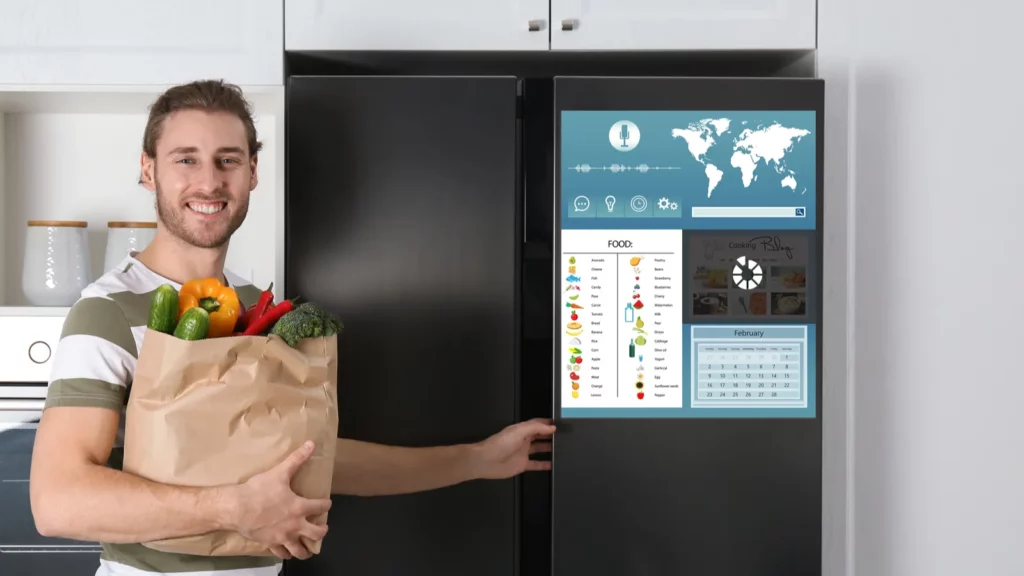
It’s easy to dismiss large fridge touchscreens as unnecessary luxury, but in practice, they highlight how disconnected the kitchen has been from daily planning. Modern smart fridges act as shared household hubs. Calendars, reminders, notes, and photos live in one place that everyone passes multiple times a day.
Being able to follow recipes directly on the fridge screen while cooking saves phone battery, keeps your hands free, and reduces clutter on countertops.
Streaming music or videos during meal prep turns cooking into a more enjoyable experience, especially for families who spend a lot of time together in the kitchen.
Traditional fridges offer none of this integration. They assume the kitchen is just a storage space, not a coordination center. Smart fridges challenge that assumption.
Performance still matters, and smart fridges deliver
Critics often assume smart features come at the cost of core performance. In reality, many smart refrigerators also outperform traditional models in temperature regulation and food preservation.
Stainless steel back panels, advanced airflow systems, and precise sensors help maintain consistent temperatures across shelves and drawers.
Better temperature uniformity means produce stays fresh longer, and frozen food avoids freezer burn. Humidity-controlled crispers reduce spoilage. These improvements don’t just make food last longer; they directly reduce waste and save money over time.
Traditional fridges, especially older ones, often struggle with uneven cooling. Smart models make those shortcomings impossible to ignore.
Smart integration reveals missed opportunities
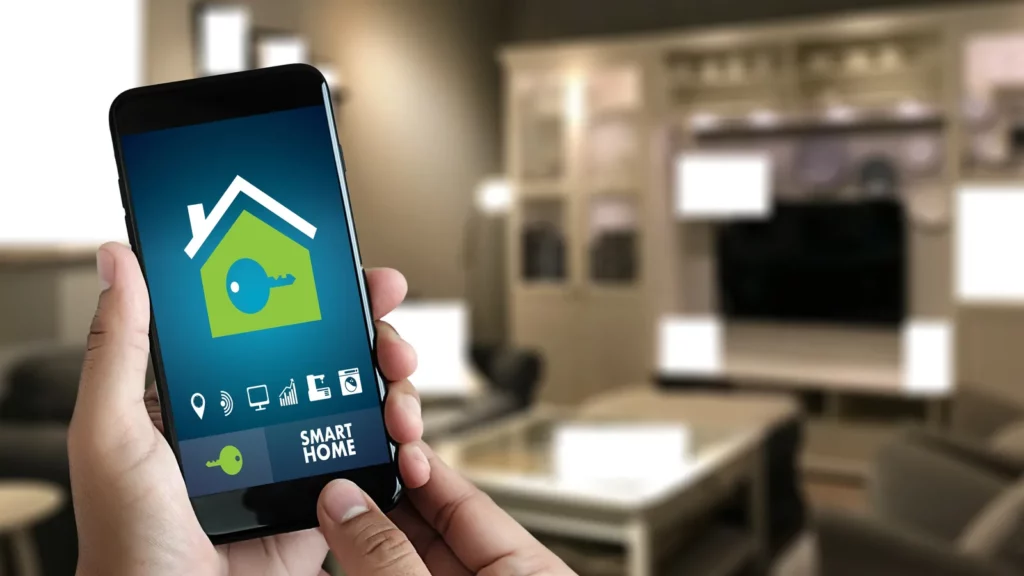
Some smart refrigerators integrate with voice assistants, smart lighting, and automation platforms. You can get alerts on your phone, trigger lights if the door stays open too long, or adjust settings remotely.
While not every household needs this level of integration, it reveals how isolated traditional appliances are.
Even basic smart features like remote temperature control and diagnostics can extend the lifespan of a fridge and prevent costly breakdowns. Traditional fridges wait until something fails. Smart fridges try to prevent failure altogether.
The downsides are real, but informative
Smart refrigerators aren’t perfect. They’re more expensive upfront, repairs can be costly, and some features may go unused once the novelty fades. Software support may not last as long as the appliance itself. Not every model works seamlessly with every smart home ecosystem.
But even these drawbacks highlight something important. They force buyers to think critically about what features actually matter.
Do you need a built-in screen, or just better food tracking? Do you want voice control, or simply reliable alerts and maintenance reminders?
Traditional fridges never asked these questions because they never offered alternatives.
Are smart refrigerators worth it?
If your current fridge works well and you’re happy with it, there’s no urgent need to replace it. But if you’re already shopping for a new refrigerator, smart models make a compelling case.
They don’t just add convenience; they actively address long-standing problems with food waste, organization, and time management.
Smart refrigerators show that the biggest issue with traditional fridges isn’t that they’re old, but that they’re passive. They don’t adapt, communicate, or help you make better decisions. Once you see a fridge that does, it becomes clear how much food and time the old approach has been quietly wasting.
The real takeaway isn’t that everyone needs a smart refrigerator. It’s that the way we’ve designed and used fridges for decades hasn’t kept up with how we live today. Smart refrigerators simply make that impossible to ignore.
Recommended:
This article was made with AI assistance and human editing.
Trending Products

iRobot Roomba Plus 405 (G181) 2in1 ...

Tipdiy Robot Vacuum and Mop Combo,4...

iRobot Roomba 104 2in1 Vacuum &...

Tikom Robot Vacuum and Mop Cleaner ...

ILIFE Robot Vacuum

T2280+T2108

ILIFE V5s Pro Robot Vacuum and Mop ...

T2353111-T2126121

Lefant Robot Vacuum Cleaner M210, W...