
Building a smart home offers incredible convenience, energy savings, and even a sense of security. From automated lighting to smart plugs that track energy usage, these devices are designed to make life seamless.
But there’s one challenge that even the most advanced setups face: what happens when your server or hub goes down?
Even if your internet is stable, local servers or controllers can fail, rendering your carefully designed automations useless.
That’s where the practice of “binding” devices comes in as a quiet, under-the-radar strategy that many smart homeowners are starting to embrace.
What is device binding?
Binding is a process that allows smart devices to communicate directly with one another, bypassing the central hub or server that normally orchestrates everything.
While the term is most commonly associated with Zigbee networks, the concept extends to other low-power, mesh networking protocols like Z-Wave and the emerging Matter (Thread) standard.
In simple terms, binding creates a direct line of communication between devices. A motion sensor can trigger a light bulb without sending the signal to the hub first.
A smart button can communicate with a plug directly, ensuring that critical automations continue to function even if the main server crashes. Essentially, binding provides a safety net, adding an extra layer of redundancy to your smart home.
Why binding matters
Smart homeowners are increasingly aware that cloud-dependent smart systems have a vulnerability: outages. When servers go down, internet connections fail, or hubs crash, devices that rely on those systems can stop responding entirely.
Imagine this scenario: it’s the middle of the night, your Home Assistant server has unexpectedly crashed, and you stumble into a dark kitchen.
Without a bound automation, your motion-activated lights or smart plugs won’t work. Binding prevents this scenario by ensuring that certain devices remain functional even when the hub is offline.
Beyond redundancy, binding can reduce latency. When devices communicate directly, instructions don’t have to make a round trip to the hub before executing.
While the speed improvement is usually subtle, in large homes with complex networks, it can noticeably streamline responsiveness.
How binding works in practice
Let’s take Zigbee as an example. A Zigbee network consists of three types of devices: a central controller, powered routers that extend the network, and end devices that aren’t powered but use the mesh network to communicate.
Normally, if the controller or server goes offline, end devices lose the ability to communicate, disrupting automations. Binding changes this. Once a motion sensor is bound to a light bulb, it can turn that bulb on or off independently of the central hub.
Z-Wave networks have a similar concept called associations, where switches or sensors can communicate directly with other Z-Wave devices.
Matter, the new kid on the block, now supports device binding as of a June 2025 beta update in Home Assistant. This means the same redundancy principle can soon apply across multiple smart home standards.
Setting up bindings in Home Assistant
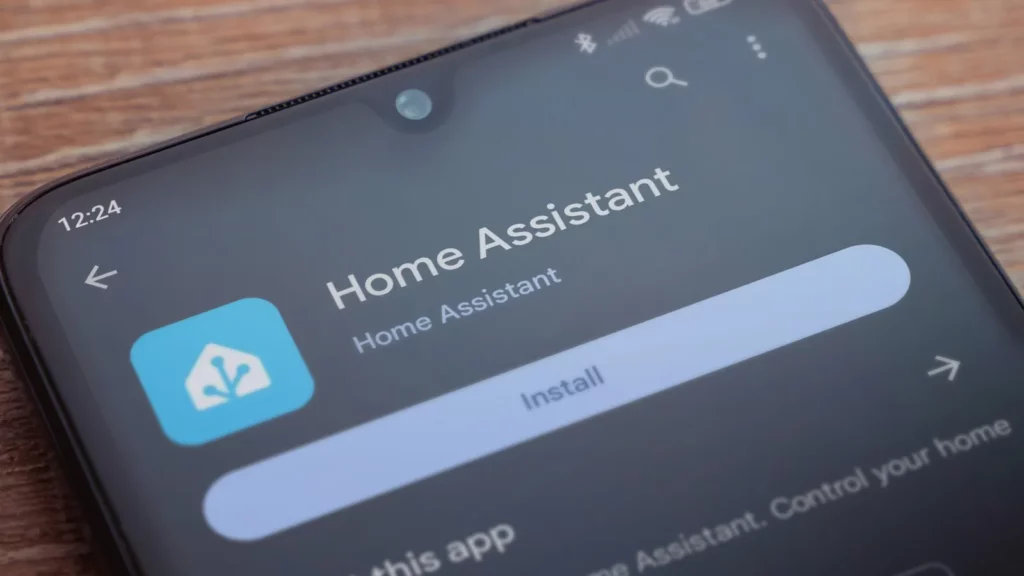
If you’re using Home Assistant, you have a couple of options for setting up bindings for Zigbee devices: the Zigbee Home Automation (ZHA) integration or Zigbee2MQTT (Z2M). Both let you pair devices together directly. The process is generally straightforward:
- Go to Settings → Devices & Integrations in Home Assistant.
- Select the Zigbee integration you’re using.
- Choose the device you want to bind and open the Manage Device menu.
- Use the Bindings tab to select the target device(s) and click Bind.
- For battery-powered devices, you may need to wake them immediately after initiating the bind.
Not all devices support binding, and sometimes it takes a little experimentation to get it right. For example, IKEA Tradfri bulbs often need to be grouped before a remote can bind successfully. Once bound, these devices can act independently of your hub, maintaining functionality even during outages.
Combining smart switches and smart bulbs
Some homeowners face another challenge: mixing smart switches with smart bulbs. A common complaint is that smart light switches, like normal switches, physically cut power to the bulbs. When this happens, smart bulbs lose connectivity, which can cripple automations.
Innovative devices such as the Acara H1 Zigbee switch solve this by offering a decoupled mode. In decoupled mode, the physical button on the switch no longer controls the power relay directly.
Instead, it triggers automations within the smart home platform while keeping the bulbs continuously powered. This allows users to enjoy the benefits of both smart bulbs and smart switches in the same circuit.
Similarly, Shelly relays can be configured in detached mode, giving older switches smart capabilities without interrupting power.
With these setups, homeowners can create multi-action automations: a single tap can toggle lights, a double tap can activate a custom scene, and the system remains resilient even if Home Assistant or another server goes offline.
Want to have a deeper look into binding smart lights with switches? Check out this in-depth video:
Practical applications and everyday benefits
Binding isn’t just for redundancy; it also enables creative automation. For instance, a ceiling light can turn green when the washing machine cycle finishes, providing a visual cue that laundry needs attention.
In a home office, different lights can automatically adjust color and brightness for filming or reading, independent of the hub’s status.
Energy efficiency is another benefit. Many smart bulbs draw small amounts of power even when turned off, adding up over time. With a decoupled switch or relay, you can physically cut power to bulbs when no one is in the room, saving energy without sacrificing convenience.
In many setups, Zigbee GU10 smart bulbs draw between 0.2 and 0.4 watts each in standby. By binding and using decoupled switches, that energy is fully recovered when the bulbs are off.
Cautions and considerations
While binding offers many advantages, it’s important to note that not all devices support it, and some bindings may be finicky. Testing is often necessary, and creating backups of your Home Assistant configuration is highly recommended.
In addition, binding doesn’t replace the need for maintaining a stable server or cloud backup; consider it an insurance policy, not a replacement.
Before purchasing new devices, research their binding capabilities. Many IKEA Tradfri kits, for example, come pre-bound out of the box, making setup straightforward. Other devices may require additional configuration or grouping.
The future of smart home redundancy
The trend toward local, server-based smart home platforms like Home Assistant reflects a broader desire for reliability and privacy.
By incorporating device binding, homeowners gain an additional layer of resilience that cloud-reliant systems cannot match. As Matter adoption grows and more devices support binding natively, this technique will become even more practical and widespread.
For homeowners serious about uptime and redundancy, binding devices is no longer just a “nice-to-have.” It’s a proactive step toward creating a resilient, efficient, and fully controllable smart home.
Whether it’s ensuring lights work during a midnight outage, automating multi-step scenes, or reducing energy waste, the benefits of binding are tangible and practical.
Summing it all up
Smart homes offer convenience, automation, and energy efficiency, but they aren’t immune to outages. Binding devices together allows smart homeowners to maintain functionality even when servers or hubs fail.
By enabling direct communication between devices, binding ensures lights, plugs, and sensors continue to operate seamlessly.
With platforms like Home Assistant, tools such as ZHA and Zigbee2MQTT, and innovations like decoupled switches and relays, it’s easier than ever to implement this redundancy.
Whether for energy savings, creative automation, or simply peace of mind, binding is a strategy every smart homeowner should consider.
The next time a storm knocks out your internet or your Home Assistant server hiccups, you’ll be glad you quietly prepared your devices for independence. It’s a subtle adjustment with enormous potential to keep your home smart and functional, no matter what happens.
Recommended Posts:
This article was made with AI assistance and human editing.
Trending Products

iRobot Roomba Plus 405 (G181) 2in1 ...

Tipdiy Robot Vacuum and Mop Combo,4...

iRobot Roomba 104 2in1 Vacuum &...

Tikom Robot Vacuum and Mop Cleaner ...

ILIFE Robot Vacuum

T2280+T2108

ILIFE V5s Pro Robot Vacuum and Mop ...

T2353111-T2126121

Lefant Robot Vacuum Cleaner M210, W...