
For more than a decade, the smartphone has been the center of daily life. Every photo, message, and notification passes through a rectangle of glass that rarely leaves your hand. Now, companies like Meta, Apple, and Google want to change that. Their vision for the future is a world where information lives not on a handheld screen but in the space around you.
Meta’s new Ray-Ban Meta smart glasses mark a serious attempt to make that happen. The frames include a small color display, built-in cameras, and audio output. A separate wristband reads muscle activity from the user’s hand, letting them interact with digital interfaces through subtle gestures.
The goal is to reduce screen time without cutting access to the digital world. Keep reading to see how this quiet shift could eventually challenge the smartphone itself and why the race to control it has already begun.
Why the shift from handheld to wearable won’t be easy
The idea sounds simple, but the reality is much more complex. Phones are convenient because they already do everything: communication, navigation, entertainment, and work. Replacing that all-in-one device means solving multiple engineering and social problems at once.
Smart glasses must balance battery life, processing power, and comfort, all in a form factor that feels natural to wear in public. They also have to overcome the cultural discomfort that comes with visible cameras and microphones. Most people still associate eyewear with fashion, not computing. A misstep in design or privacy could turn the next big product into the next Google Glass moment.
Meta’s approach shows how serious the competition has become
Meta’s current direction reflects lessons from earlier failures. The company now emphasizes everyday practicality over futuristic imagery. Its Ray-Ban Display glasses are designed to look and feel like regular eyewear rather than a tech prototype.
According to AP News, Meta is developing a Neural Band wristband that reads small electrical signals from wrist muscles, letting users control the glasses with subtle finger movements. Together with the in-glass display, cameras, and microphones, this approach aims to create a more natural and less intrusive way to interact with digital content.
Meta says this technology is part of its broader AI vision, where glasses could one day respond to voice and understand what the wearer sees and hears.
The long game is about control over the next computing platform
The motivation behind these launches goes beyond technological curiosity. Reuters notes that Meta’s latest smart glasses represent its push to make wearable devices the next step in personal computing. The company views this shift as a move beyond traditional screens and smartphones, toward a more natural way for people to interact with technology in everyday life.
If wearables do become the next major interface, the companies leading this transition could end up shaping the future software ecosystem much like smartphones once did with desktop computing. Check out the video Why Smart Glasses Are About to Kill Your Phone (And Train Robots to Replace Delivery Drivers), then come back and read the rest of the article for a deeper dive into the future of wearable tech.
What smart glasses can realistically deliver today
Despite all the ambition, the technology is still early. Current models are best suited for simple, frequent tasks such as navigation, short video capture, and viewing messages or photos, rather than full phone replacement.
The Verge noted that Meta’s newest glasses feel more refined than previous versions. The improvements are not about flashy features but about comfort, usability, and subtle integration, the kind of details that help a product transition from novelty to a daily essential.
However, the gap between what people expect from a phone and what glasses can deliver remains large. Screens still outperform projection displays for clarity. Apps built for touchscreens don’t yet translate well to gesture-based input. Even battery life limits usage to short bursts rather than all-day wear.
The data that reveals how far input tech still has to go
A peer-reviewed large-scale study from Aalto University and the University of Cambridge found that smartphone users logged an average typing speed of about 36 words per minute in a web-based test. This shows how optimized onscreen touch typing has become.
However, because this research was about smartphone keyboards, it does not provide data for wearable gesture devices like the Neural Band. While Meta claims its wristband allows subtle hand gesture input, no public peer-reviewed data yet shows its word-per-minute rate.
Until such data is available, it’s more accurate to say that wearables may increasingly handle short tasks like notifications or voice commands rather than full-length typing.
Why smartphones still have an edge in everyday life
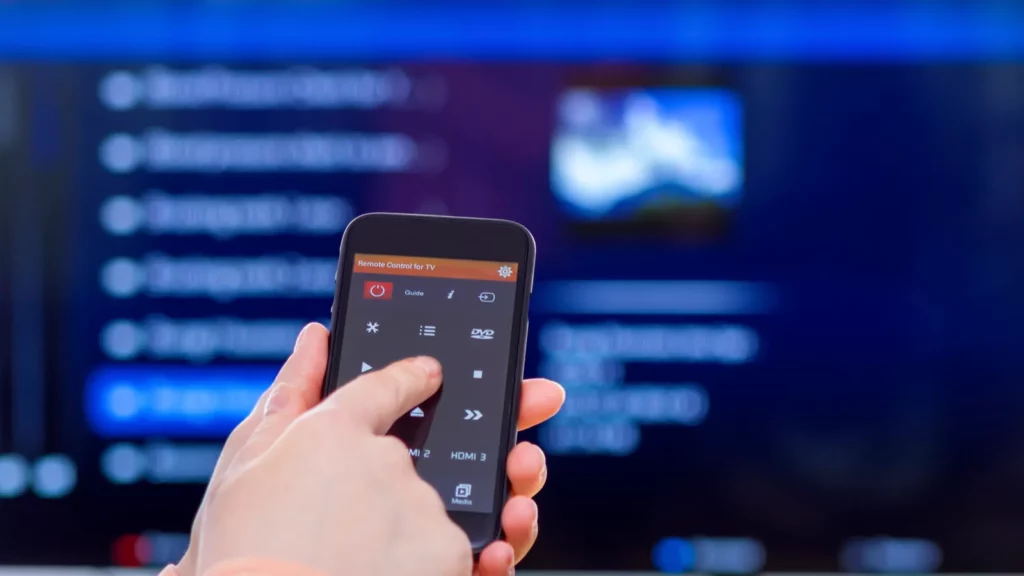
Smartphones have become deeply ingrained in daily life because they’re designed around natural, efficient interaction. Years of refinement have made touchscreens fast and intuitive, allowing people to type, navigate, and multitask with little effort. Their responsiveness and reliability make them ideal for communication, work, and entertainment.
Wearables, by contrast, still face limits in precision and comfort for frequent input. While they excel at quick actions like capturing photos or checking notifications, they lack the speed and flexibility that make smartphones so effective for longer or more complex tasks.
Apple and Google will shape what happens next
Apple is reported to be developing a lightweight set of smart glasses, potentially resulting from its experience with the Vision Pro headset. Google has already shown how its Gemini AI assistant will be central to its Android XR glasses and headsets, offering features like live translation and context-aware help.
Each company brings a different strength: Apple in hardware-software integration, Google in AI and services, and Meta in consumer social platforms and earlier smart-glasses launches. How quickly each can turn prototypes into credible mainstream devices will determine who leads in wearables.
The milestones that could make smart glasses truly mainstream
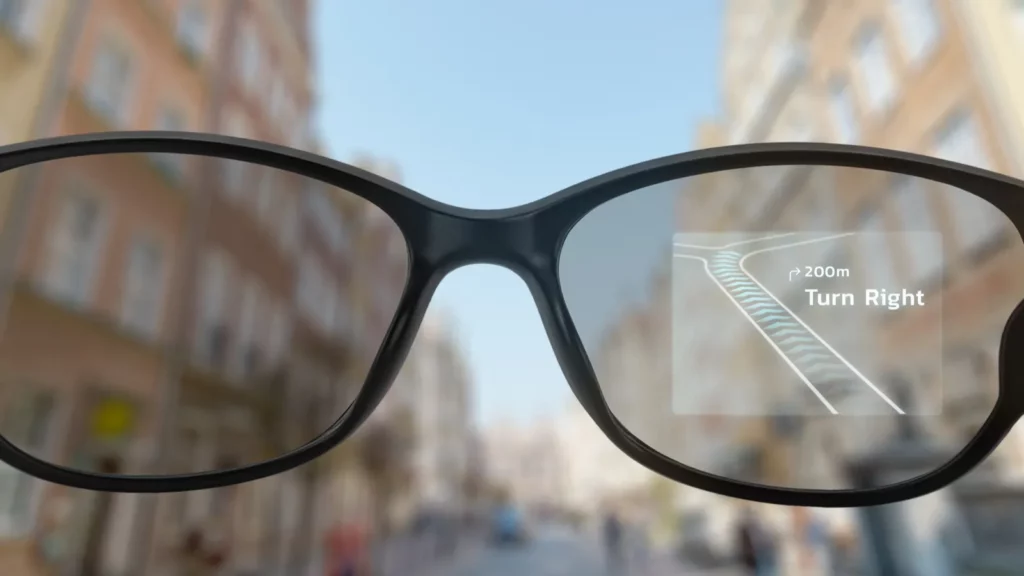
Smart glasses have a path to mass adoption, but it depends on hitting a few critical milestones:
- True comfort: Lightweight designs that can be worn all day without strain.
- Battery endurance: Power management that lasts beyond a single workday.
- Privacy clarity: Transparent indicators and strong local data handling.
- Gesture precision: Natural control without requiring hand fatigue or calibration.
- Software integration: Apps built specifically for spatial interaction, not just ported phone tools.
When these elements align, the category could finally cross from tech curiosity to must-have device.
The next era will not replace phones overnight
The smartphone isn’t disappearing. But it may start to lose its monopoly on daily computing. Devices like Meta’s Ray-Ban Display and Neural Band mark a shift toward invisible interfaces, where access to information feels ambient rather than intentional.
Here is what we know so far:
- Smart glasses are evolving from novelty to practical wearable devices.
- Comfort, battery life, privacy, gesture control, and software integration are key to adoption.
- Current models excel at notifications, navigation, and quick interactions, but can’t fully replace smartphones yet.
- Meta’s Ray-Ban Display represents a major step forward, combining usability with subtle AI features.
- The future of wearables depends on how Apple, Google, and Meta blend technology, design, and social acceptance.
The near future will be hybrid. People will use phones for creation and management, while wearables handle glanceable, real-world tasks. Whether that change feels freeing or invasive will depend not on the technology itself, but on the choices companies make about privacy, openness, and control.
Recommended Posts:
This article was made with AI assistance and human editing.
Trending Products

iRobot Roomba Plus 405 (G181) 2in1 ...

Tipdiy Robot Vacuum and Mop Combo,4...

iRobot Roomba 104 2in1 Vacuum &...

Tikom Robot Vacuum and Mop Cleaner ...

ILIFE Robot Vacuum

T2280+T2108

ILIFE V5s Pro Robot Vacuum and Mop ...

T2353111-T2126121

Lefant Robot Vacuum Cleaner M210, W...