Millions of Instagram users recently discovered that their public photos had been briefly used to generate AI-generated images. Meta’s Muse Image feature changed how public social content could be reused by allowing profiles to serve as sources for AI-generated content, but Meta pulled the tagging capability just days after launch.
The episode represented a bigger shift in how technology companies handle user data. While public posts have always been visible online, generative AI introduced the possibility that those images could be transformed into new content without the creator’s approval, sparking enough backlash to shut down the feature almost immediately.
Meta’s move into AI-powered image creation
Muse Image was Meta’s new AI image-generation tool, connected to Instagram and the Meta AI app. One part of the feature lets users tag a public Instagram account and request AI-generated images based on that account’s published photos, though Meta withdrew that specific capability just days after launch amid backlash.
This approach differed from traditional AI training discussions by creating a visible, user-facing experience rather than relying solely on public posts to improve AI models behind the scenes.
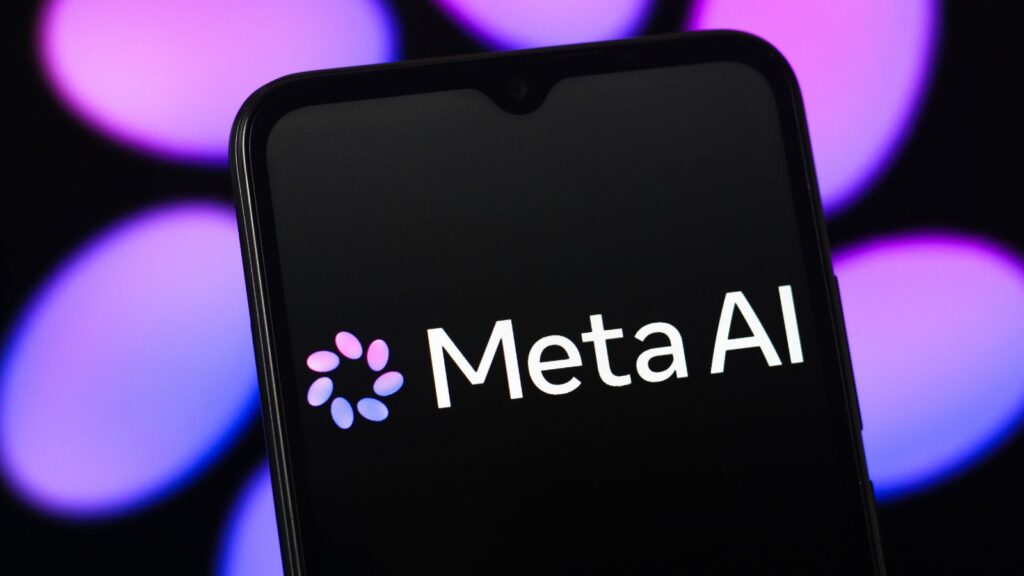
The broader Muse Image tool remains part of Meta’s strategy to integrate artificial intelligence into everyday experiences, bringing AI tools directly into platforms where billions of people already share personal photos, videos, and updates.
How public Instagram content becomes AI input
The tagging system worked through Meta AI and Instagram sharing controls. Users with access to Muse Image could tag eligible public accounts and ask the AI system to create images using those accounts’ photos as references. Meta removed this specific tagging capability on July 10, 2026, three days after it launched, following widespread criticism.
While it was active, Meta separated these controls from basic account privacy settings: making an account private prevented inclusion, but users who wanted to keep their accounts public had to manually adjust specific AI reuse options found under Instagram’s “Sharing and reuse” section, with separate controls for posts and reels.
Why are the default settings creating controversy?
The biggest concern that emerged around Muse Image’s tagging feature was how it handled permission. Reports indicated that public adult Instagram accounts were automatically included unless users manually disabled the relevant reuse options, and this default-opt-in approach became the central reason Meta pulled the feature just three days after launch.
Many users did not realize their public photos could be used to generate AI creations while the feature was live. Privacy advocates argued that public sharing does not necessarily mean users agreed to AI-generated versions of their photos, and Meta itself later acknowledged the feature “missed the mark.”
Little-known fact: Meta launched Muse Image on July 7, 2026, alongside a preview of Muse Video, as the first media-generation models from its new Superintelligence Labs.
Meta’s history with public data and AI
Meta has previously used public Facebook and Instagram content to train parts of its AI systems. The company has said private messages and non-public information were excluded from those training processes.
However, Muse Image creates a different discussion because it involves direct content reuse. Training happens behind the scenes, while AI image generation creates a visible result that can be produced by another person.
That difference makes the issue easier for users to understand. Instead of asking whether their data helped improve an AI model, they are now asking whether someone can generate new images based on their profile.
Little-known fact: Some of today’s unease traces back to 2019, when Meta paid a then-record $5 billion fine to the FTC over the Cambridge Analytica data scandal.
Safeguards and user controls
While the feature was active, Meta said Muse Image included protections designed to reduce misuse: private accounts and accounts belonging to users under 18 were excluded, limiting exposure for younger users, and restricted profiles were used.
Adult users with public accounts could opt out through Instagram’s controls, which Meta argued gave people a choice over whether their content was available for AI creativity tools.
Critics believed the burden should not have rested entirely on users, arguing that requiring people to discover and disable a setting created a default system that benefited platform growth while reducing user awareness. That criticism was central to Meta’s decision to withdraw the tagging feature just three days after it launched, saying it “missed the mark.”
The impact on creators and online identity
For creators, photographers, influencers, and everyday users, the Muse Image episode raised concerns that extend beyond privacy, touching on ownership, attribution, and control over personal images shared online.
A public Instagram post has traditionally meant that people could view, comment on, and share content in accordance with the platform’s rules. Generative AI changed that dynamic by enabling systems to generate new images from that material, and Hollywood talent representatives took the concern seriously enough to push back publicly.
Creative Artists Agency and SAG-AFTRA both raised objections, arguing that creators deserve to decide if and how their likeness and work are used, with meaningful consent and the ability to set their own terms.
A changing relationship between users and platforms
Muse Image may change how people think about public sharing. Users who previously kept accounts open for visibility may reconsider whether they want their content to be available to AI-based features.
This creates a new balance between discoverability and control. Public accounts help creators reach audiences, but AI tools introduce another layer of data usage that many users did not anticipate.
For technology-focused consumers, the feature reflects a wider trend. Connected platforms increasingly analyze and reuse information to deliver personalized experiences, automated tools, and new creative features.
Little-known fact: Instagram reaches roughly 3 billion users worldwide in late 2025, giving the tagging feature an enormous built-in audience.
AI innovation versus consumer control
The debate over Muse Image reflects a broader conflict between rapid AI development and personal data rights. Technology companies want to introduce creative tools quickly, while users want stronger control over how their information is used.
The issue extends beyond one Meta product. Similar questions are emerging across the technology industry as companies build AI systems that rely on large volumes of user-generated content.
The central concern is shifting from whether information is public to whether public information should automatically become available for new AI-powered purposes.
TL;DR
- Meta’s Muse Image let users tag public Instagram accounts to generate AI images, but Meta pulled the feature on July 10, 2026, three days after its July 7 launch, following backlash.
- Public adult accounts were included by default; private accounts and users under 18 were excluded.
- Creator groups like CAA and SAG-AFTRA objected to the feature’s ownership and consent requirements, pressuring Meta to admit it “missed the mark” and remove it.
- The episode reflects a broader tension between AI innovation and consumer data control.
This article was made with AI assistance and human editing.
If you liked this, you might also like:
Trending Products

iRobot Roomba Plus 405 (G181) 2in1 ...

Tipdiy Robot Vacuum and Mop Combo,4...

iRobot Roomba 104 2in1 Vacuum &...

Tikom Robot Vacuum and Mop Cleaner ...

ILIFE Robot Vacuum

T2280+T2108

ILIFE V5s Pro Robot Vacuum and Mop ...

T2353111-T2126121

Lefant Robot Vacuum Cleaner M210, W...